

Medicaid
Medicaid and the Children’s Health Insurance Program (CHIP) Protects Middle-Class Families, Seniors, People With Disabilities and Children.
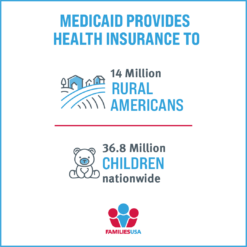
Nearly 80 million Americans, including nearly 37 million children, in all 50 states and the District of Columbia are currently enrolled in Medicaid and CHIP coverage, providing them with health care and coverage. Medicaid includes people from all walks of life — ranging from middle-class individuals who have suffered a catastrophic illness, to seniors receiving long-term services, to newborns and children.
Insuring one in every five Americans, Medicaid is the largest single source of health coverage in the U.S. Combined state and federal Medicaid spending comprise nearly one-fifth of all personal health care spending in the U.S., providing significant financing for hospitals (and rural hospitals), community health centers, physicians, nursing homes and community-based long-term services and supports.
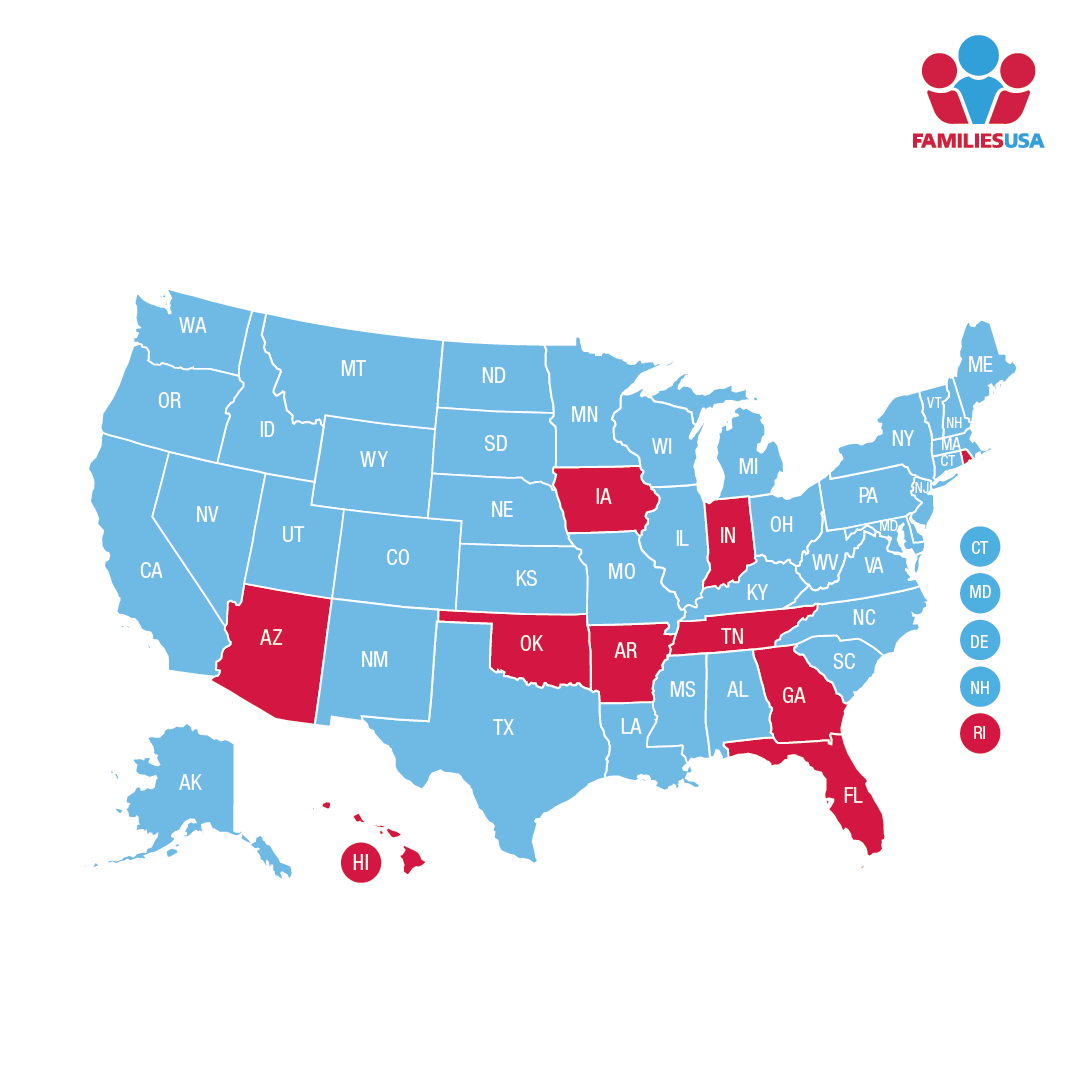
Medicaid provides crucial access to care, improving health outcomes when compared to those who are uninsured. This coverage is particularly important for vulnerable populations, such as people with disabilities and children/children in poverty. Currently 41 states have expanded Medicaid, covering a greater number of individuals and families, with positively associated health outcomes for both adults and children, and reduced inequities in uninsured populations.
Defending Medicaid
Medicaid provides critical health care to millions of children, families, older adults and people with disabilities. Despite its importance, benefits, and approval from people on both sides of the political aisle, House and Senate Republicans have continued to push proposals to slash funding for Medicaid. These efforts will strip health care away from millions and impact communities and local economies across the country.
Medicaid matters and is essential to safeguarding the financial stability and well-being of millions of Americans. At Families USA our mission is clear, protect and defend Medicaid against ANY attempts to weaken the program.
Now here’s where you come in. Congress must hear from YOU to stop harmful cuts. Join the Fight to Protect Medicaid!
April Is Medicaid Awareness Month
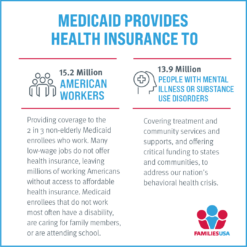
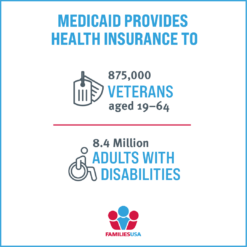
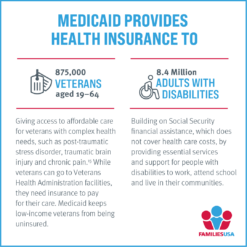
Medicaid is a critical lifeline to Americans across the country, coming from all walks of life. These are primarily working-class Americans who would otherwise not be able to see a doctor or would have to go to the emergency room to get health care. Medicaid also supports the hospitals, clinics and providers who serve these folks when they need care. Medicaid covers 40% of all births in this country, helping moms and babies at the most vulnerable time in their lives, when access to care and doctors is paramount. Rural America depends on Medicaid, with small, rural hospitals relying on its funding to stay afloat. The bottom line is this: Medicaid Matters. Congress has a responsibility to the American people, and that means to protect and strengthen Medicaid, defending against any attempts to weaken this critical program.
Medicaid is an essential part of the U.S. health care landscape. Medicaid Awareness Month is the perfect time to highlight the services and benefits the program provides, and those covered. Join Families USA in promoting #MedicaidAwarenessMonth this April by sharing a graphic or resource from below!
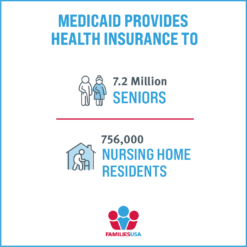
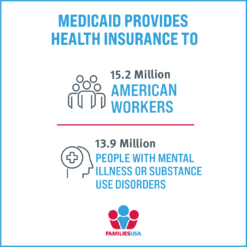
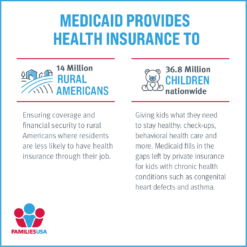
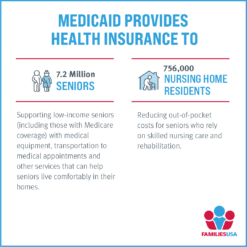

Steve Venick, Tennessee
Steve Venick has had a degenerative, genetic, arthritic condition since he was 12 years old. By the ... read more
key resources

Federal Medicaid Cuts Would Force Rural Hospitals to the Brink of Closure
06.25.2025 / Report


related content