



It doesn’t have to be this way. I’m a person. My children are people. I work hard. I love hard. And it shouldn’t cost to be free to live.

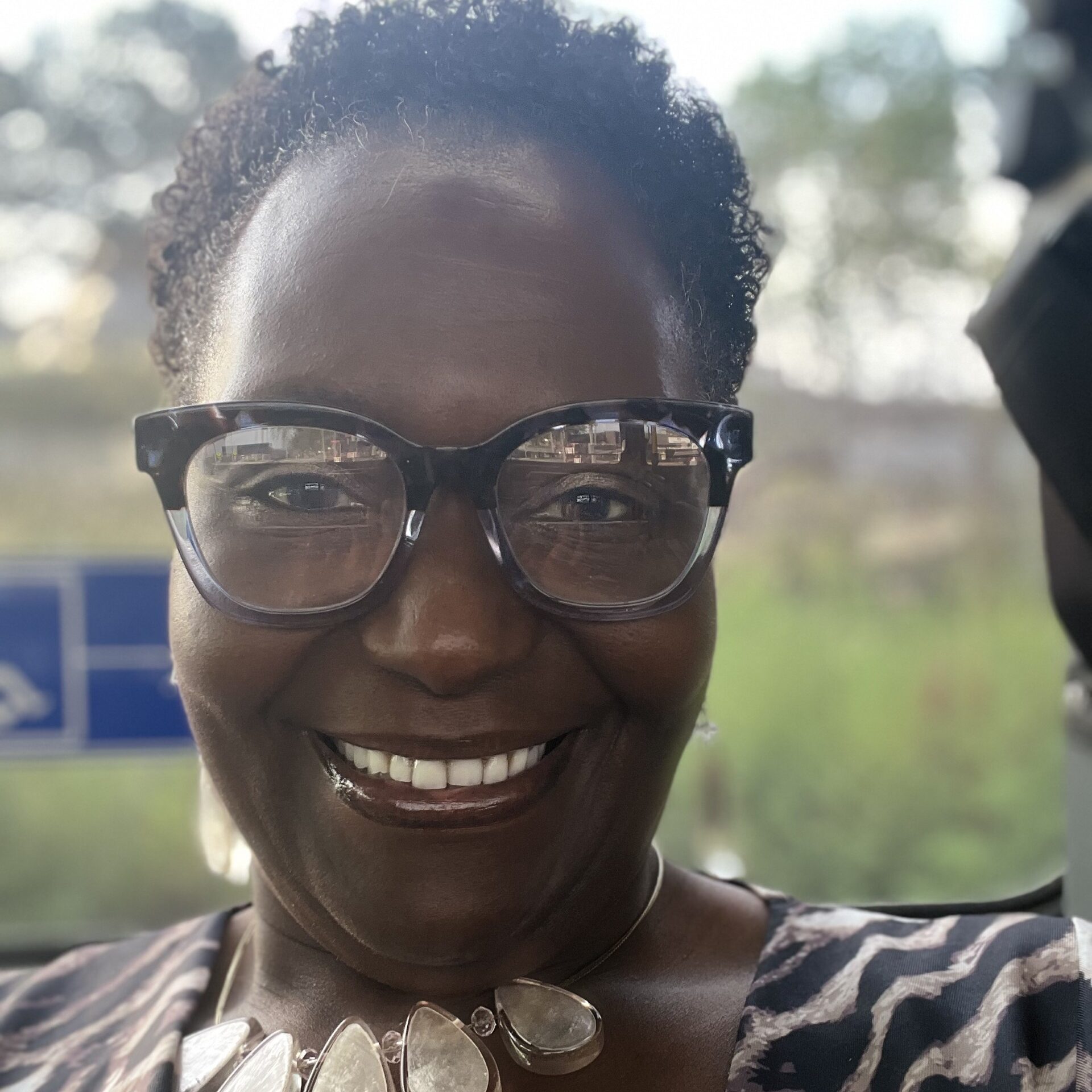
Carmilla Collins is a 51-year-old single mother living in Douglas County, Omaha, Nebraska. She works full time and holds a part-time job to make ends meet, raising her 15-year-old daughter while supporting herself on paychecks that leave little margin for error — and even less for unexpected medical bills. For the better part of a year and a half, she had no health insurance at all.
Going without coverage meant going without care. “A lot of times ignoring health issues that need attention becomes a norm,” she said. “And finding home remedies and being undertreated becomes the norm too.” But for Carmilla, the consequences were accumulating quietly.
She had developed a serious thyroid condition — growths pressing against her airway, making it harder to breathe, harder to swallow. Surgery was the only fix. But the fear of more debt kept her from making the appointment, and so she waited. She kept working. She kept making ends meet. And all the while, her condition worsened.
Carmilla had been carrying medical debt for some time, the way many uninsured people do — quietly, hoping to manage it later. Later arrived without warning. The debt she had accumulated from previous medical care caught up with her. Her wages were garnished. Her paycheck, which normally came to just over $1,000 — exactly what her rent cost — was reduced to $532. Within days, she received an eviction notice.
The compounding weight of her medical debt threatening her ability to keep a roof over her family’s head pushed her to a breaking point. “Facing my despair, my frustration, and drowning, I got angry,” she said. That anger became fuel. She walked into the hospital’s financial services department with her pay stubs and her records and told them exactly what the garnishment had done to her life. Within 45 minutes, she was sitting with a financial counselor who helped her apply for the hospital’s charity care program. They removed the remaining debt entirely and gave her 85 percent off an additional bill in a single application — assistance she had never known existed.
The relief was profound, but it arrived at an enormous cost. By the time Carmilla could schedule her thyroid surgery, the delay had caused additional damage. The emergency procedure she eventually needed was more complex than it would have been months earlier, requiring more recovery time and leaving her unable to work for three months. Her employer, where she had worked for 13 years, had to manage without her. “That ripple effect,” she said, “which cost, I don’t know how much more, not only affecting the one person, but connecting all the people and the companies connected to me.”
What troubled her most was not just that help arrived late — it was that the help had always been there, hidden. The hospital had demographic information on file. It knew her income. It knew her household size. A charity care program existed that could have spared her the garnishment, the eviction notice, and the months of deteriorating health. No one told her. “Help shouldn’t be an alternative,” she said. “Help should be help. Help shouldn’t be offered at the end of somebody’s rope.”
Since the ordeal, Carmilla has secured slightly better employment and enrolled in employer-sponsored health care coverage through Blue Cross Blue Shield — $632 a month for herself and her daughter. She knows it is necessary. But having coverage has not meant having care. Quite the opposite actually, the period on hospital financial assistance was when she felt most cared for. “I feel like my health has been better than it has been in a long time because being on financial assistance cut the barrier of the bureaucracy of insurance company telling me what I can and cannot have,” she said. The medications she received without delay under the hospital’s financial assistance program now require prior authorizations. Her insurer has pushed back on prescriptions her doctor ordered, asking her to try generic alternatives. One medication she needs costs $499 even after a prescription savings card knocks $800 off the retail price, because her insurance refused to authorize it.
The new job that made insurance possible also pushed her income just above the threshold for financial assistance. She is caught in the same paradox many working families know well. “I’m too rich to get the assistance, but too poor to qualify for the aid,” she said. “It’s a paradox that doesn’t make sense to me.”
Carmilla carries this experience not as a private burden but as a call to action. She grew up in a household where you did not share your troubles outside the home — what happened inside stayed inside. Sharing her story publicly goes against everything she was raised to believe. But she does it because she knows she is not alone. “I believe that this happened through me so that I can put a face to an experience,” she said. “It doesn’t have to be this way. I’m a person. My children are people. I work hard. I love hard. And it shouldn’t cost to be free to live.”
Her message to the policymakers and institutions that shape the health care system is straightforward: make the help visible from the start. Had she known about charity care when the debt first began to accumulate, she might have addressed it early, avoided the garnishment, kept her housing stable, and had her surgery before her condition worsened. Instead, the system waited for her to hit rock bottom before offering a hand. “If the help was offered at the beginning,” she said, “that would have given me a way to not only address the debt appropriately but find a way to take care of myself.”
Add your voice to help us continue to push for the best health and health care for all.
SHARE YOUR STORY