
Dobbs Anniversary Day of Action Toolkit
06.22.2026
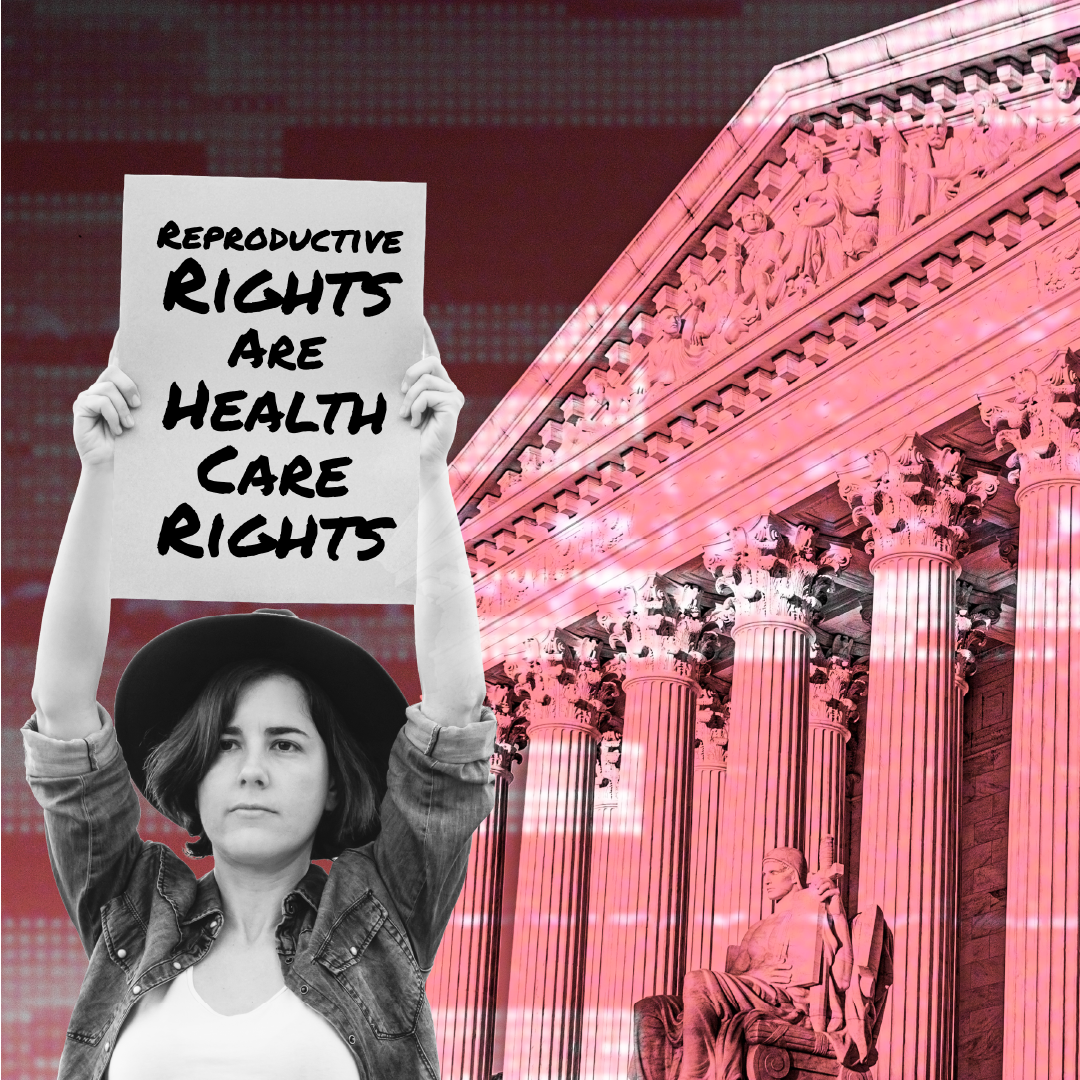
Reproductive Rights as Essential Health Care
Defending and advancing reproductive rights is critical to advancing health equity, protecting personal freedom, and ensuring access to affordable, high-quality health care. That includes safeguarding access to abortion, contraception, fertility care, and gender-affirming care — essential health services that enable people to make decisions about their bodies, families, and futures.
Across the country, reproductive freedom is under unprecedented assault, as policymakers and courts continue to restrict access to essential health care and erode people’s ability to make decisions about their own lives and futures. These attacks are disproportionately harming communities that already face systemic barriers to care, deepening inequities, widening health disparities, and exacerbating longstanding gaps in health and economic outcomes.
The fight for reproductive freedom is inseparable from the fight for health equity, affordability, and access. When people cannot get the reproductive health care they need, the consequences extend far beyond individual health outcomes — affecting families, communities, and the strength and resilience of our health care system.
Families USA is committed to working in partnership with reproductive health advocates, consumer organizations, providers, and allies to protect and expand access to care. Together, we are advancing policies that safeguard reproductive freedom, remove barriers to care, and ensure that everyone can make personal health decisions without interference, delay, or discrimination.
This toolkit is designed to support our collective advocacy. It provides messaging, framing, and communications resources to help coalition partners articulate a clear and compelling message: reproductive rights are health care rights. By speaking with a shared voice, we can build public support, advance policy change, and create a future where everyone has the freedom, dignity, and access they need to thrive.
Families USA Resources
The Impact of Dobbs v. Jackson on Reproductive and Maternal Health Outcomes
On June 24, 2022, the Supreme Court ruled in Dobbs v. Jackson Women’s Health Organization that the U.S. Constitution does not confer a federal right to abortion. The decision overturned Roe v. Wade and returned authority to state legislatures to regulate or prohibit abortion.
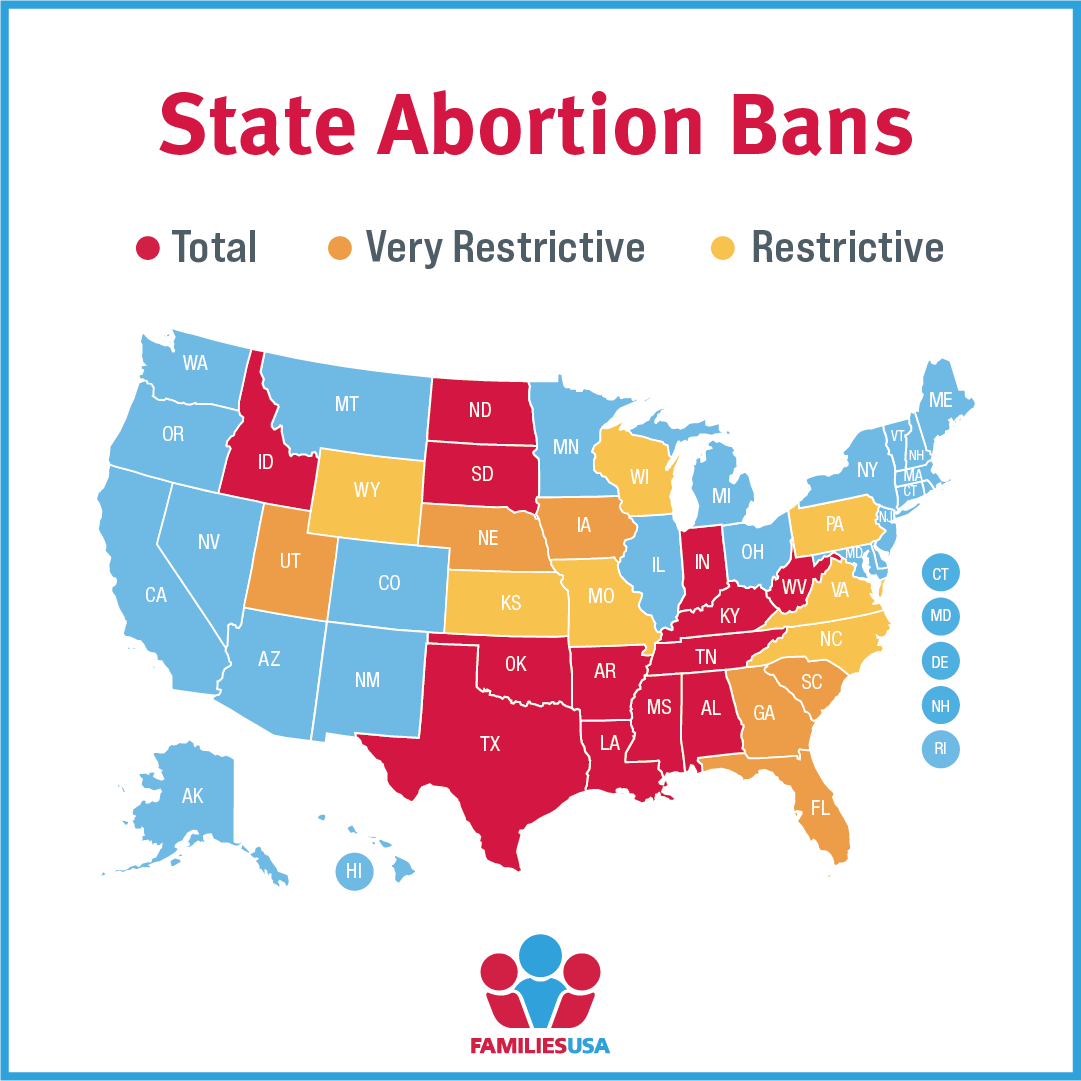
In the four years since Dobbs, 13 states have implemented total abortion bans, and 28 states have maintained gestational limits on abortion care. Patients have been forced to travel hundreds of miles to access reproductive health care. The travel rate for abortion care across state lines nearly doubled from 2020 to 2024.
Health care providers and patients alike have reported a chilling effect on care. Needed reproductive health care has been delayed and denied in states with abortion bans and restrictions out of concern of violating the law. Research by the Population Reference Bureau found that states with abortion bans experienced 22,000 additional births, 478 excess infant deaths, and 59 excess pregnancy-associated deaths.
Current Challenges Impacting Reproductive Health Access
The Supreme Court’s decision in Dobbs fundamentally changed the landscape of reproductive health care access in the United States. Since the ruling, legislative, regulatory, and legal efforts to restrict abortion and reproductive health services have continued, creating new barriers to care for patients across the country.
In 2025, a provision included in the Republican health care cuts (H.R. 1) eliminated Medicaid funding for one year for reproductive health providers that also provide abortion services. The policy affected providers that deliver a broad range of health services, including contraception, sexually transmitted infection (STI) testing and treatment, cancer screenings, and preventive care. As a result, many providers faced difficult decisions about whether to continue offering abortion services or maintain Medicaid reimbursement for other essential health care services.
The funding cuts have had significant consequences for the reproductive health care infrastructure. In the months following implementation, Planned Parenthood health centers reported providing millions of dollars in uncompensated care to Medicaid patients. In the first year since the passage of H.R. 1, 23 Planned Parenthood health centers have been forced to close. Other providers, including Maine Family Planning, were forced to reduce or eliminate services because of lost revenue.
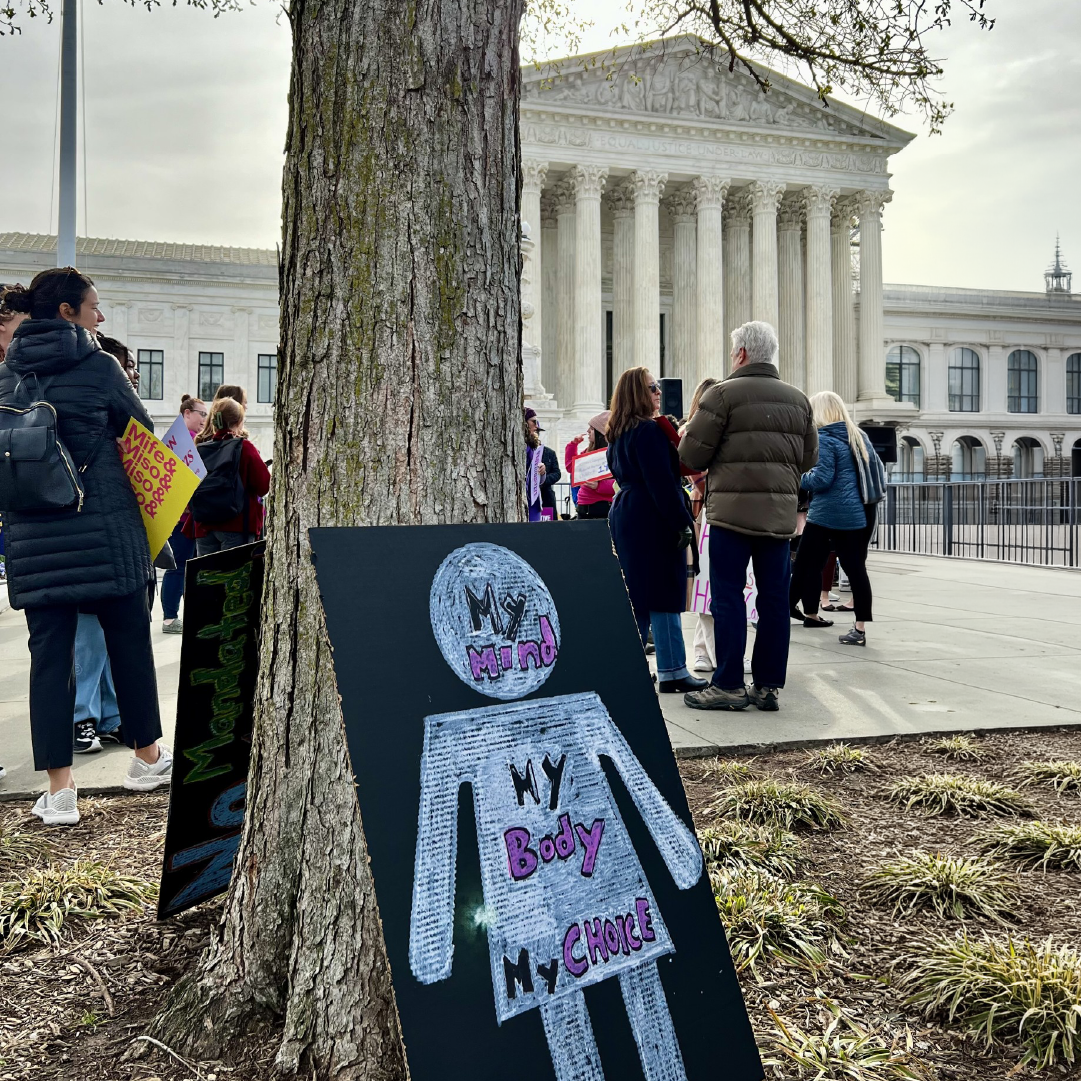
At the same time, access to medication abortion continues to face legal challenges. Mifepristone, one of the medications commonly used in abortion care, remains approved by the U.S. Food and Drug Administration and may be prescribed through telehealth. However, ongoing litigation (Louisiana v. FDA, Missouri v. FDA, and Florida v. FDA.) has sought to limit access to the medication, creating uncertainty for patients and providers and raising concerns about future access to care.
Why This Matters for Health Advocates
Restrictions on reproductive health care affect far more than abortion access alone. When clinics close, funding is reduced, or providers face legal uncertainty, patients can lose access to a wide range of essential health services, including prenatal care, cancer screenings, contraception, STI testing and treatment, and preventive care.
The impacts are often felt most acutely by people who already face barriers to care, including individuals with low incomes, people living in rural communities, and communities of color. Reduced provider capacity, longer travel distances, appointment delays, and increased costs can make it more difficult for patients to obtain timely care.
Data from reproductive health providers indicate that access challenges have already affected patient utilization of services. Planned Parenthood reported that the number of people accessing reproductive health care at their health centers dropped sharply between November and December of 2025 compared to the same period in 2024. This included a 41% drop in appointments in November for IUDs and other long-acting reversible contraceptives — the steepest decline across all services measured.
The policy and legal landscapes continue to evolve. Additional state-level efforts to restrict abortion access have emerged since Dobbs, while federal policymakers continue to debate a third reconciliation package that could further affect reproductive health programs and funding streams. As these developments unfold, health advocates play a critical role in helping policymakers, stakeholders, and the public understand how reproductive health policies affect access to care, health outcomes, and health equity.
Get Involved
This Dobbs Day of Action, join advocates, providers, and organizations across the country in speaking out about the ongoing impact of the Dobbs decision on patients, families, and communities.
Share a social media post that reflects how the Dobbs decision has affected your community, constituents, or the people you serve. Highlight the real-world consequences of restrictions on reproductive health care, amplify local reproductive health providers and storytellers, and reinforce the message that abortion care is health care.
Use the hashtags #DobbsDayOfAction and #AbortionIsHealthCare to help expand the reach of coalition messages by engaging with partners’ content throughout the day. Like, comment on, repost, and share posts from fellow advocates and organizations to help elevate the collective call for reproductive freedom and health care access. You can use our sample posts below or make your own!



Sample Posts
Facebook, LinkedIn, Instagram
Option 1
Four years after the Supreme Court overturned the constitutional right to abortion, we are seeing the ongoing impacts on patients’ ability to access essential health care.
Today, we’re joining advocates across the country for the #DobbsDayOfAction to demand protections for reproductive freedom and ensure every person can access the care they need, when they need it. #AbortionIsHealthCare
Option 2
Four years after Dobbs, we’re clear about what’s at stake: access to abortion care, the future of essential medications like mifepristone, and the ability of patients to make their own health care decisions.
We’re fighting for stronger protections, expanded access, and policies that ensure reproductive health care is available, affordable, legal, and free from political interference!
Bluesky/X
Option 1
Four years after the Supreme Court overturned the constitutional right to abortion, we’re seeing ongoing impacts on patients’ access to essential health care.
Today, we join advocates across the country for #DobbsDayOfAction to demand protections for reproductive freedom and ensure everyone can access the care they need, when they need it. #AbortionIsHealthCare
Option 2
Four years after Dobbs, we’re clear about what’s at stake: access to abortion care, the future of medications like mifepristone, and patients’ ability to make their own health care decisions.
We’re fighting for stronger protections, expanded access, and policies that ensure reproductive health care is available, affordable, legal, and free from political interference.
Additional Resources:
- The “Defund” Disaster, Office of Senator Elizabeth Warren
- The Harm of “Defunding” Planned Parenthood, Planned Parenthood
- Key Facts Aboout Abortion in the United States, KFF
related content
The Battle Over Mifepristone Access in 2026
9.28.26 / Insights Blog

Dobbs Anniversary Day of Action Toolkit
6.22.26 / Social Toolkit