



I wouldn’t be able to keep these medications that keep me alive without Medicaid.

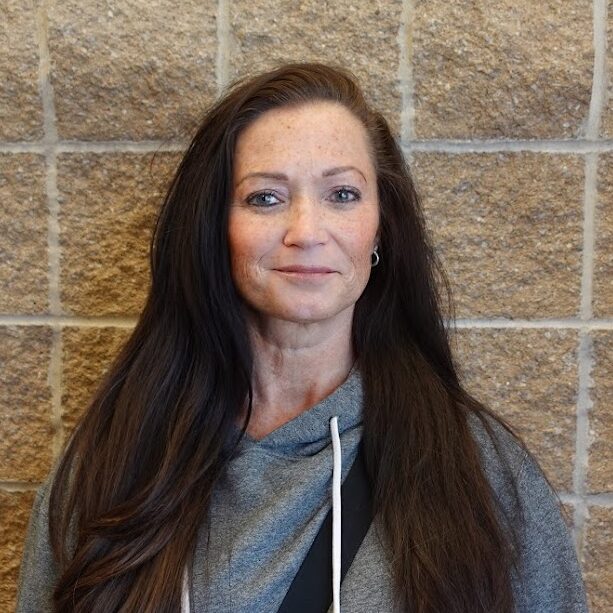
Andrea Martin in Lee’s Summit, Missouri, was born with a congenital heart defect. She worked throughout her life, often juggling multiple jobs, until she had a heart attack at 35. “I could no longer work. I lost my job. I lost health insurance. And I had to get on Medicaid. I was denied at first, but I appealed it and got it approved.” Approval allowed Andrea to join St. Luke’s heart transplant program. “That was actually a requirement to get on the transplant list. Thank God for Medicaid, or I wouldn’t have gotten listed or the care I needed.”
Medicaid quickly became her lifeline. “I wouldn’t be here without it,” she shared. The heart attack left her in severe congestive heart failure, and she required two heart transplants that left her with various health complications that require ongoing treatment. The medications that keep her alive are costly and essential, but fortunately, they are covered through her plan. “I wouldn’t be able to keep these medications that keep me alive without Medicaid.”
Through Medicaid, Andrea was introduced to additional mental health care support. “That’s really been crucial for me because my life before transplant was traumatic, and my life after transplant is really traumatic,” she shared. “Keeping my mental health care in check keeps my stress low, which keeps this heart good. It keeps me alive longer.”
Potential cuts to her coverage would be life-threatening. “If my mental health care gets cut, it would drastically affect my well-being. Every doctor I see is a specialist. I see about nine different specialty doctors due to transplant. It would be devastating.”
Renewals and paperwork are another major source of stress. “If there was to be a gap in my coverage due to whatever application process might change, I could technically become a noncompliant patient with my heart transplant team … There’s really only one team that can take care of my complications in Kansas City, and I can’t lose them. And not to mention the fact that it’s just stressful. You have to gather all this paperwork all the time, and it just puts you in this state of panic and anxiety because I fear every time, well, they’re not going to approve me, because it happened in the past … and I just panic … I don’t want to die. I don’t want to lose my medication. I have two sons.”
The financial requirements of Medicaid add to the burden. Andrea has an income level above the state’s Medicaid eligibility line, requiring her to spend a calculated amount on medical expenses before her coverage kicks in. “My spend down is $402 a month, plus a $13 fee. I live on disability income. That’s like a third of my income. I don’t understand how someone in my situation could be expected to pay that much … I have car maintenance. I mean, I have bills. I have groceries, toiletries, other medications I’m required [to take] that aren’t covered.” Because of this, she lost access to home health care. “I can’t keep up with my house things. I’m not strong enough. I really need that person back. I have chronic kidney failure, fibromyalgia, gout, and other complications. I’m suffering, but I’ll make the best of it. I don’t have any other choice right now.”
Andrea also worries about her community, where many residents face similar challenges. “I live in a disabled community, disabled housing, and there are so many people just in my housing apartments that I live … they would not be able to function,” she shared, “If they lost those [home health care] people, I mean, ultimately, they’re going to kind of wither away. The depression, I imagine, is going to set in … They’re not going to be able to eat. They’re not going to be able to bathe themselves. There are a lot of people in my community that are incapable of making their meals, going to the store. They don’t have transportation. They’re incapable of walking very far. They’re incapable of bathing themselves a lot. It’s horrific, devastating.” Cuts to health coverage would hit communities like Andrea’s the hardest, stripping residents of the support they need to survive and maintain their independence.
The stakes extend to her children and Andrea worries about the emotional toll on her sons. The fear of losing their mother is constant, and she fears it could ripple into every part of their lives, shaping their sense of security and ability to navigate adulthood. “They’d lose their mom. That’s going to affect them. They’ve had a hard life watching me almost die every few years because of heart failure and heart attacks. I’m going to need a third transplant, and they would probably not be able to function in their own life because they’d think they’re going to lose me.”
Andrea emphasizes that Medicaid is essential not just for her survival but for her family and community. “It needs to be better, not anything taken away from it, in my opinion. We definitely can’t lose it.”
Add your voice to help us continue to push for the best health and health care for all.
SHARE YOUR STORY