




The answers are out there. You know yourself best.

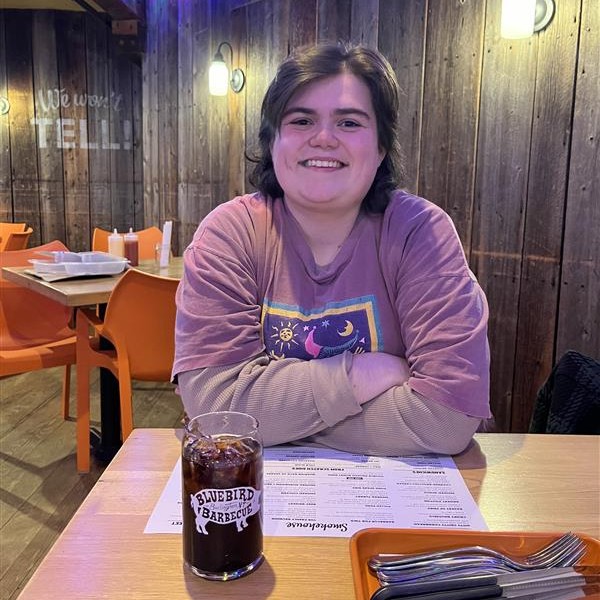
When Julia Giguere, a 26-year-old graduate student from Northborough, Massachusetts, faced a COVID-19 infection in 2022, she was left with mysterious symptoms that doctors couldn’t explain.
“I started having weird, episodic things where my vision was getting blurry and I just felt so tired and needed to sit down,” Julia said. “I felt just really bizarre and shaky and just really weird.” Her primary doctor tested for a variety of conditions and couldn’t find anything abnormal.
Julia’s quality of life continued to suffer as the episodes continued long after the COVID-19 infection was gone. She could no longer drive and became reluctant to leave the house. “It was happening multiple times a week, and there really wasn’t anything I could do. It was kind of getting to this place where I was very nervous to drive because my vision was getting impacted. I was nervous to go out to a store, go out to do anything, really, where this would happen. It’s a really vulnerable thing that happens, and you don’t want to be in public.”
Julia’s primary care doctor wanted to send her to a neurologist but warned her that it would take months before she could see someone. Julia had to use a network of personal favors to get an appointment, a reflection of the flaws within the health care system. Unfortunately, the neurologist proved unhelpful, guessing that her symptoms could be migraines, and generally dismissing her concerns about her health.
“He was really hesitant to put me on medication because of potential effects if I were to be pregnant, which was not at all in my periphery, nothing I’m concerned about even now. It was just kind of a ‘Suck it up. Move on.’ So, I was obviously really upset with that and went back to my primary care. It just continued on with this back and forth of something is clearly happening.”
She continued trying to log her symptoms, working with different medical professionals to manage her episodes, but nothing addressed the ongoing underlying issue.
While she was waiting months to see another neurologist, she invested into doing he own research. It was through this research she came across the suggestion that she could be suffering from seizures.
“I didn’t feel like I was really getting help from my practitioners. So, I was looking into things online, and I found a forum for people who have epilepsy. And I was like, here’s my symptoms. Does anyone have similar ones? Could this be that? And just having like an outlet so I felt like I wasn’t just going through it alone was really helpful… it started getting the ball rolling.”
Julia had to advocate for herself to get her medical team to investigate this potential diagnosis. She spent five days in the hospital for inpatient epilepsy testing, hoping that this would finally give her an answer so she could access treatment. But this testing also showed no concrete evidence of a neurological issue.
“They just kind of were like, ‘We don’t see anything. Go home.’ It was awful… At the end of it, I was so upset and crying. This medical student, who was part of the team, stuck behind and could see I was upset, and she was really kind. She said, ‘If this answer doesn’t feel right to you, keep looking.’” The student left Julia with a list of other neurologists.
Finally, she found a new neurologist who took her seriously. “That woman believed me,” she shared. A powerful moment after a seemingly endless search for answers. “That was kind of like a turning point for me, going to this new neurologist who said, ‘I believe you. And even if they didn’t capture anything on the EEG [during inpatient testing], I’m going to put you on an anti-seizure medication, and we’ll see if that helps.’ And then she did, and everything stopped. And it was a light switch for me.”
This was the breakthrough that Julia was fighting for. Nearly two years of her self-advocacy had finally paid off. With the right access to care and a diagnosis, her episodes have become manageable.
Julia is thankful to have found a diagnosis and a treatment that alleviates most of her symptoms. She can now live a full and normal life, including driving and being a full-time graduate student. Her biggest lesson from this process? Never stop fighting for the care that you deserve.
“Even though it is often a tough crooked path, you can find your right care team. The answers are out there. You know yourself best.”
Add your voice to help us continue to push for the best health and health care for all.
SHARE YOUR STORY