



It almost feels like they don’t want me to catch it early.

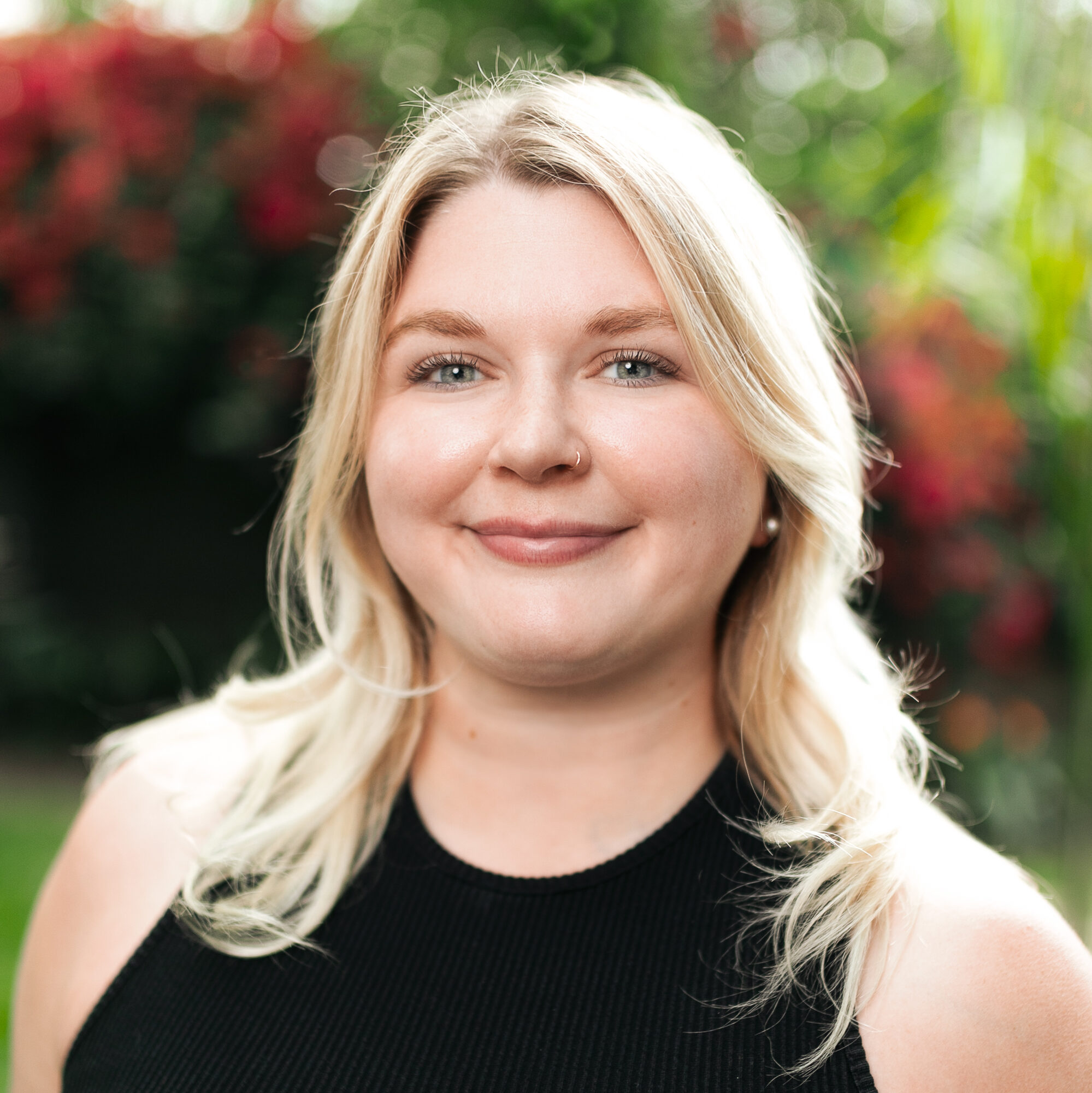
Fallon Dobrisky got the news anyone being evaluated for breast cancer hopes to hear: the mass in her right breast was benign.
Then came the bill.
More than $7,000 for the tests that confirmed it wasn’t cancer. “I was almost disappointed that I didn’t have it,” she said. “Now I have to pay $7,000 for something that doesn’t exist.”
At 30, Fallon had never given much thought to cancer. As a self-employed real estate agent in Los Angeles, she relied on commissions in a difficult post-COVID housing market, leaving her income unpredictable. “You just don’t think of these things if you’re trying to work and grind,” she said.
That changed about two years ago when her mother was diagnosed with breast cancer. Fallon and her sister underwent genetic testing and learned they both carry a BRCA2 gene mutation, which increases their risk of developing breast cancer. “You just feel doom and gloom,” she said. The genetic test cost about $300, a difficult expense for Fallon to manage at the time.
Fallon’s mother underwent a mastectomy and, because of a family history of ovarian cancer, also had her ovaries removed. When Fallon went for her first mammogram, doctors found a mass in her right breast. “It’s so scary because you just think about the worst-case scenario,” she said.
Fallon buys insurance through Covered California, paying about $500 a month in premiums to keep access to UCLA Health, where she knows her doctors. “I would love to keep my doctor,” she said.
To find out whether the mass was cancerous, her providers ordered an MRI and then a biopsy. From her genetic counseling, Fallon believed that her insurance would cover screenings like these. “This is quite literally preventative care,” she said.
Then the bill arrived. Her insurance covered none of the $7,000 bill. When she called to ask why, a representative explained that she had a high deductible. “And I’m paying $500 a month. Like, what?” Fallon said. “Do you guys not want me to catch the breast cancer? Make it make sense.”
As past-due notices arrived, Fallon called the provider to explain that she could not afford the bill. The provider offered a payment plan requiring about $500 a month and told her that was the lowest monthly payment it would accept. Between her insurance premium and the proposed payment plan, Fallon would be paying roughly $1,000 a month for health care, before rent, car insurance, or car payments.
Fallon asked whether she could instead pay $200 a month, an amount she felt she could manage alongside her other expenses. But the provider would not agree to a lower payment. “Make it where we can at least try to pay you reasonably, while also paying our rent,” she said. “We’re all just trying to live.”
Eventually, Fallon missed a payment because she did not have the money. The balance has since disappeared from her MyChart account, and she believes it has gone to collections. She shared a video on social media of herself breaking down over the bills. “I just felt so emotionally destroyed,” she said. “I was at my lowest point. … What’s stopping me from just killing myself? What’s the point? I’m in a hole.”
Living alone in Los Angeles, far from her family on the East Coast, Fallon felt the weight of the bill largely on her own. “A $7,000 bill is really destructive,” she said. She says she is in a much better place today, but the financial consequences continue to shape how she thinks about her health. The benign biopsy did not eliminate Fallon’s elevated risk of breast cancer. Because she carries the gene mutation, her doctors recommended regular MRI monitoring, which she understood should happen every six months. “I cannot afford that. In any capacity,” she said. “It’s just not realistic to maintain your health.”
Without the monitoring she believes she needs, Fallon worries almost daily about when she might develop cancer. She calls it “a waiting game.” At times, she has even wished the biopsy had given her a clearer path forward, like the one her mother faced. “I wish I could just go through that path and get it over with,” she said.
Fallon worries that people who cannot afford recommended screenings may miss opportunities to detect cancer early, potentially facing more serious illness and more expensive treatment later. “It almost feels like they don’t want me to catch it early,” she said. “It just feels like they’re working against us, you know?”
When she chooses a plan for next year, Fallon will have to weigh a lower deductible, which may mean a higher premium, against leaving the doctors she knows.
Fallon was not refusing to pay her bill. She needed a way to pay that she could actually afford. “There should be more realistic payment plans,” she said. She also wants leaders to take a closer look at where health care dollars go and bring “a little bit more humanity” to the system. “Let’s put our money where our mouth is and actually make this an amazing country,” she said.
Add your voice to help us continue to push for the best health and health care for all.
SHARE YOUR STORY