



No one should have to fear getting sick because they don’t know if they can afford the treatment they need.

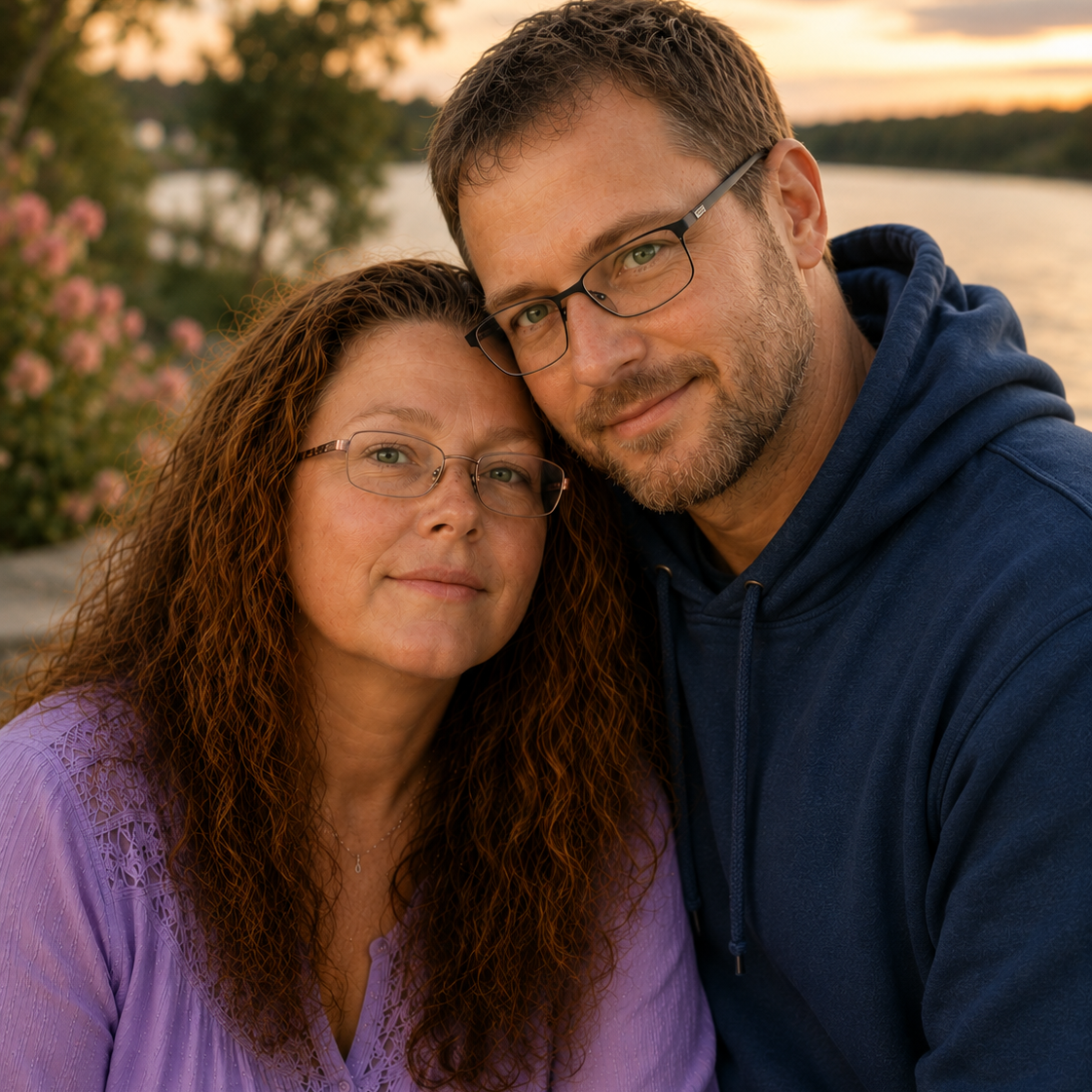
47-year-old Maria Taylor lives in Davenport, Iowa, with her husband, Shawn, who is 49. “Health care isn’t just a political issue to me — it’s something my husband and I have to think about every single day,” she said.
In December 2021, Maria became critically ill with Covid. She spent three weeks in the ICU, including twelve days on a ventilator, and was hospitalized for nearly three months. After she was discharged, she developed severe complications that required emergency treatment and surgery at the University of Iowa. “While I am incredibly grateful to be alive, my health has never fully returned to what it was before,” she said. She continues to live with chronic health issues, including asthma and diabetes, and relies on ongoing medical care and prescription medications just to stay healthy enough to work.
Maria has health insurance through her employer, but the cost of that care has become increasingly difficult to manage. Earlier this year, changes to her prescription coverage caused her diabetes medications to become dramatically more expensive: her monthly cost for Mounjaro jumped from around $60 to approximately $175, and Jardiance was quoted at more than $200 a month. At one point, she went weeks without her medication because she couldn’t afford it, and her blood sugar climbed well over 200 and sometimes exceeded 300. Her endocrinologist eventually switched her to a different medication because the cost had become unsustainable.
Her husband, Shawn, depends on Medicaid because of his epilepsy, diabetes, and hearing disability, and his coverage makes it possible for him to receive the medications that prevent seizures. Maria said, “Like many families, we worry about changes to Medicaid and new reporting requirements because losing coverage — even temporarily — could have serious consequences for his health.”
The family has also felt the impact of rising health care costs in other ways, having to make difficult financial decisions while balancing medical expenses, housing, utilities, groceries, and transportation. “No one should have to choose between paying for the medication that keeps them alive and paying their electric bill or buying food,” Maria said.
Access to health care is another growing concern for Maria. As Planned Parenthood health centers have closed in Iowa, she has wondered “where people — especially those living in rural communities, people without insurance, or those with limited financial resources — are supposed to go for preventive care, cancer screenings, and other essential health services.” She believes “awareness campaigns only matter if people have somewhere affordable to receive the care they’re being encouraged to seek.”
Maria believes health care should be affordable and accessible for everyone, “regardless of their income, where they live, or the type of insurance they have.” She said the rising cost of insurance, prescriptions, and medical care continues to create uncertainty, even for a family that is grateful for the care it has received. “No one should have to fear getting sick because they don’t know if they can afford the treatment they need,” she said.
Maria is sharing her story because she knows her family is not alone. “There are thousands of Iowans facing similar struggles, and I hope our stories help inspire policies that put patients before profits and make health care more affordable and accessible for everyone.”
Add your voice to help us continue to push for the best health and health care for all.
SHARE YOUR STORY