



I’ll be honest, half of me just hopes I die so I don’t have to worry about the debt.

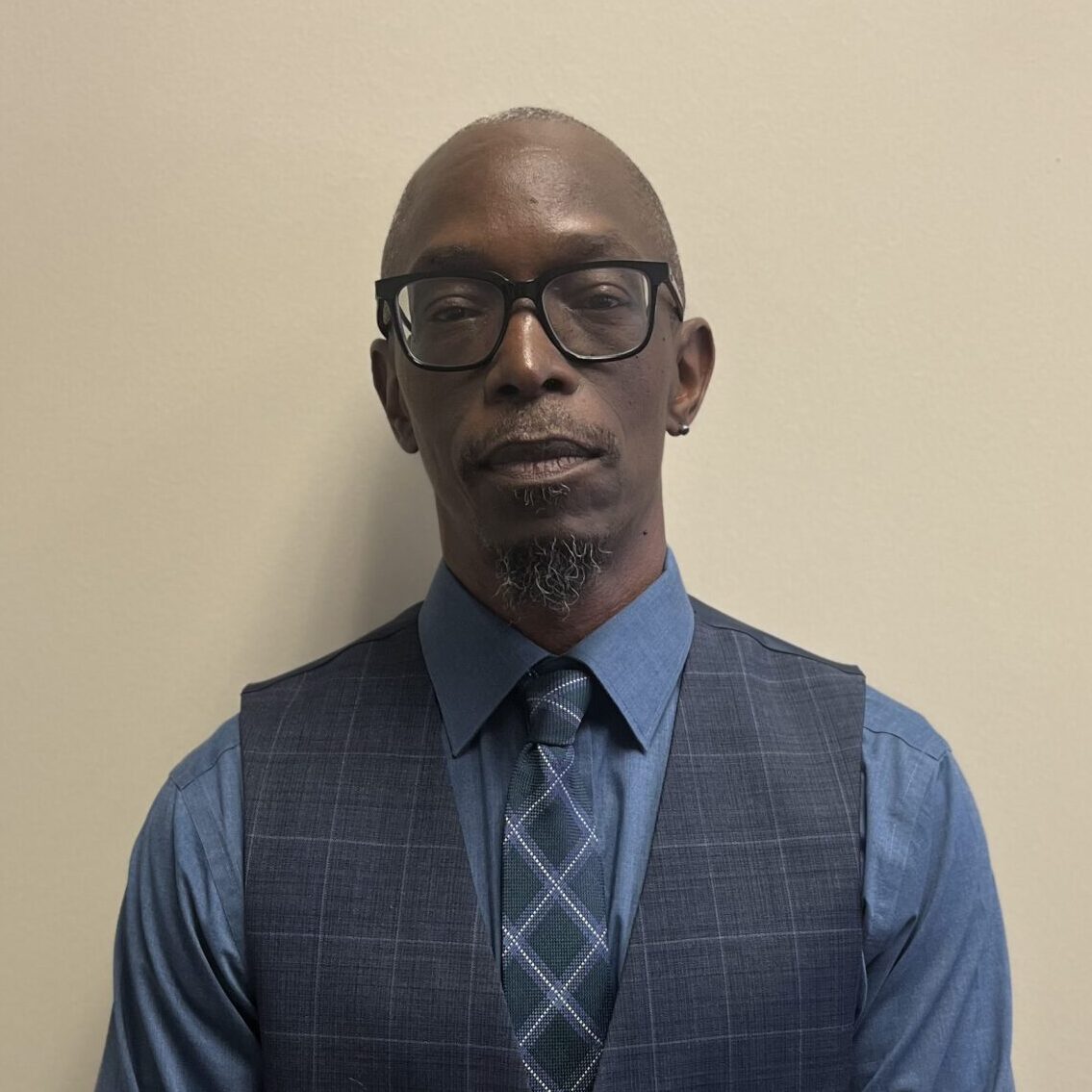
Michael Best’s stroke began with a simple question from his son: “What did you say?”
One night in April 2024, Michael said goodnight to one of his sons — at least, he thought he had. His son couldn’t understand him. Michael repeated himself, but his words still didn’t make sense. Michael assumed he was just tired and went to bed.
The next morning, his son still couldn’t understand him and urged Michael to go to the hospital. By the time Michael arrived, he could barely communicate what was happening. Hospital staff quickly recognized he was having a stroke and activated the stroke protocol.
Michael spent a week in the hospital. On the third day, he woke up with chest pain and learned he was having a heart attack. He was transferred to a cardiac unit, where he spent another four days recovering.
Then the bills came.
Michael had health insurance through his employer and paid for coverage through his paycheck. But he said his hospital stay, therapy, and other care totaled about $139,700. “I’m thankful for them saving my life,” he said. “But who has that type of money unless you’re rich?”
Michael contacted the hospital to ask about a payment plan. He offered to pay $500 or $600 a month. He said the hospital told him the payment would need to be about $780 a month.
Michael couldn’t afford that, either. He remembers thinking, “You’re getting your money. Isn’t that enough?”
At 62 years old, Michael has spent about 35 years building his career around helping people in need, including working in affordable housing and homelessness prevention. Now, after decades of helping others through difficult circumstances, he is starting a second job to chip away at his own medical debt.
He had always maintained good credit, so he turned to personal loans for help. He took out the loans with a five-year repayment period, meaning the cost of his medical care would follow him for years after he left the hospital. Now, paying off that debt has become part of Michael’s recovery.
The stroke also changed something Michael had always taken pride in: his ability to communicate. He needs ongoing speech, physical, and occupational therapy, but he said he couldn’t afford it. “It’s just hard having to readjust my speech so everybody can understand me,” he said.
About three weeks after his stroke, Michael, who also has diabetes, experienced another frightening medical emergency.
He was taking a shower when he felt his blood sugar dropping. The next thing he remembered, he was on the bathroom floor. He tried to stand but was too weak and lost consciousness again.
Eventually, Michael crawled to his bed and pulled himself up. “If I die, at least I’m in my bed,” he remembers thinking.
When his son came home, he found Michael in bed. Michael had suffered significant damage to his teeth in the fall and ultimately had to have his remaining teeth removed during a four-hour operation.
Now he wears dentures.
The thought of something else going wrong is terrifying to Michael as he wonders how he would pay for the care. “The anxiety is off the charts,” he said, adding, “I’ll be honest, half of me just hopes I die so I don’t have to worry about the debt. The other half of me tries not to worry about it.”
More than two years after his stroke, Michael is still paying off the debt from it. The five-year loans he took out to cover the cost haven’t come close to running their course, and the second job he started is going toward the same bills. What began as a night he couldn’t finish a sentence to his son has followed him into nearly every part of his life since. “You shouldn’t have to go into lifelong debt for a human right,” he said.
Add your voice to help us continue to push for the best health and health care for all.
SHARE YOUR STORY