



All of that community care that used to exist in America is gone. It’s been sold out to corporations.

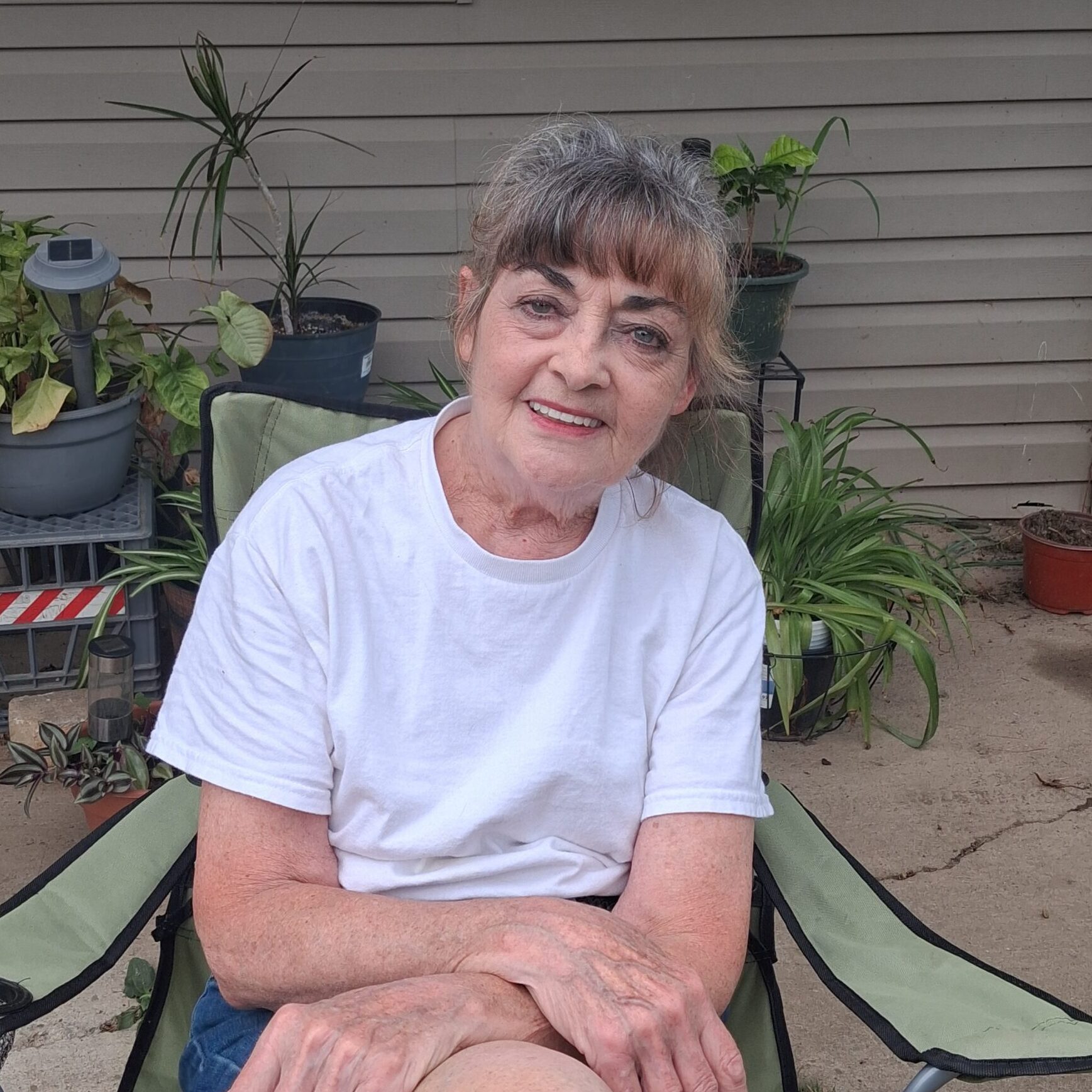
74-year-old Neena Hallock of Bradford, Pennsylvania, understands better than most how little warning a life-threatening emergency can give. In 1991, after a tubal ligation reversal left her at risk for an ectopic pregnancy, she began experiencing symptoms she couldn’t quite understand. “I didn’t know I was pregnant. I thought I had the flu. I even sent my husband to the store to buy Pepto-Bismol.” While he was gone, her condition suddenly worsened. “By the time he got home, I was in enormous pain and hemorrhaging.”
Her husband got her to the emergency room when she could no longer walk on her own. “He practically carried me in. The whole thing happened very fast. From the onset of symptoms to the hemorrhage was only a matter of hours.” Doctors told her she had lost about half her blood volume and needed two units of blood right away. A young nurse, Jill Henry, recognized what was happening immediately. “She assessed the situation so expertly and pulled together a surgical team with incredible speed. They got to me just in time.”
Neena was already quite familiar with the hospital that saved her life in 1991. Neena had her first three children at Bradford Regional Medical Center, which she remembers as “a beautiful hospital with wonderful staff. At the time, it was top of the line. The doctors and nurses always went above and beyond.” Recently, Bradford Hospital announced they were closing all inpatient services, citing federal cuts as one of the primary reasons.
Looking back on the emergency that nearly took her life, she is certain of one thing: “If a woman in Bradford today were in the same situation I was in, I don’t believe she would survive. There was no time to transport me somewhere else. The care that saved my life had to be available right then and right there.”
Neena connects that experience directly to her 15-year-old granddaughter, who was born premature and lives with a fragile respiratory system that is prone to serious emergencies and carries a severe insect allergy. “What keeps me up at night is that I needed lifesaving emergency care with almost no warning, and my granddaughter could need the same thing someday.” Neena shared, “The difference is that when my emergency happened, Bradford had the staff and resources to save me. I’m no longer confident that help would be available for her.”
That concern is not hypothetical for Neena. When her granddaughter had strep throat, a local clinic overwhelmed with emergency calls made them wait two hours to be seen, and staff told her they were struggling to arrange both ground and air transport. On another occasion, shortly before Bradford’s emergency department closed, Neena brought her granddaughter there for treatment, and staff directed them to Olean General. “When we got there, it was standing room only. The crowd overflowed into another section of the hospital, and the hallways were filled with patients in beds.” Roughly an hour later, the staff finally reached her granddaughter, only to find there were no beds available to treat her. She had to be transferred by ambulance to Oishei Children’s Hospital in Buffalo. “Experiences like that make me wonder what would happen if she had a severe asthma attack, a respiratory crisis, or a serious allergic reaction. In an emergency, minutes matter.”
Neena does not mince words about what she believes is now at stake for her community. “How do you get people lifesaving treatment on time? You don’t. Not here. We’re going to have a lot of unnecessary deaths. Plain and simple.” Her worry extends beyond herself and her family. “I’m worried for everybody in Bradford,” she said, noting the town has an older population. She tracks emergency alerts on her phone that show a steady stream of heart attacks, overdoses, and bleeding emergencies. She has started keeping Narcan in her van because of the increase in overdoses in the community, and she recalls a woman who attempted to take her own life by jumping from a bridge into traffic and survived only because she could be airlifted out. “This area is in dire need of health care services.”
A former military wife who lived abroad in Europe before returning to Bradford, Neena sometimes regrets coming home. “Looking back, I sometimes regret that decision because of what’s happened to health care here.” She points to the loss of women’s health services in particular and worries about what a hospital-less town means for the students at nearby Pitt-Bradford. “I wouldn’t want my child attending college in a town without a hospital.”
Bradford Hospital was built in 1959 by local business people and citizens, a community effort. Back then, she recalls, families received a single bill for their care, and if money was tight, “you could go to the hospital and work something out.” She believes that spirit is gone. “All of that community care that used to exist in America is gone. It’s been sold out to corporations. These hospitals started as community hospitals serving small towns. Then they expanded, grew larger, and became corporations. Somewhere along the way, the community got left behind.”
Now, Neena is left with questions she cannot answer: where families in Bradford will find the care they need, and what happened to the legacy generations of people built and supported? “Bradford Hospital wasn’t just a building. It was something the community created and owned.”
Add your voice to help us continue to push for the best health and health care for all.
SHARE YOUR STORY