


A New Majority and a Clear Mandate to Cut Costs, Not Care
11.17.2026
The 2026 midterms sent a historic, resounding message from the American people to leaders in Washington and in statehouses across the country: Americans want to cut costs, not cut care. They are sick of paying high prices for health coverage and care, and they want action on affordability now.
For the past two years, Families USA worked hand-in-hand with partners across the country, including those representing families, workers, doctors, employers, patients and consumers, to engage directly in our democratic experiment. We kept at it even when it would have been easy to grow cynical about the politics and the process. Together, we helped build a new environment that demands better policy and real accountability for the cruel cuts to care and coverage, and to rein in health care prices that are not just high, but inflated and irrational.
Voters demanded action on an affordability agenda
President Trump and Republican leadership in Congress made deliberate decisions that have left millions of Americans with less care and more costs. They cut nearly $1 trillion from Medicaid and our health care system and ended the enhanced premium tax credits in the ACA marketplace. As a result, premiums on average doubled, and five million people were pushed or priced out of coverage. Millions more were forced to drop down into skimpier coverage with higher deductibles.
Even for those not in Medicaid or the marketplaces, Americans are paying more and getting less. Families are angry at the big health care corporations for skyrocketing prices — and they are furious at Congress for letting those health care corporations keep raising prices with no oversight and no accountability.
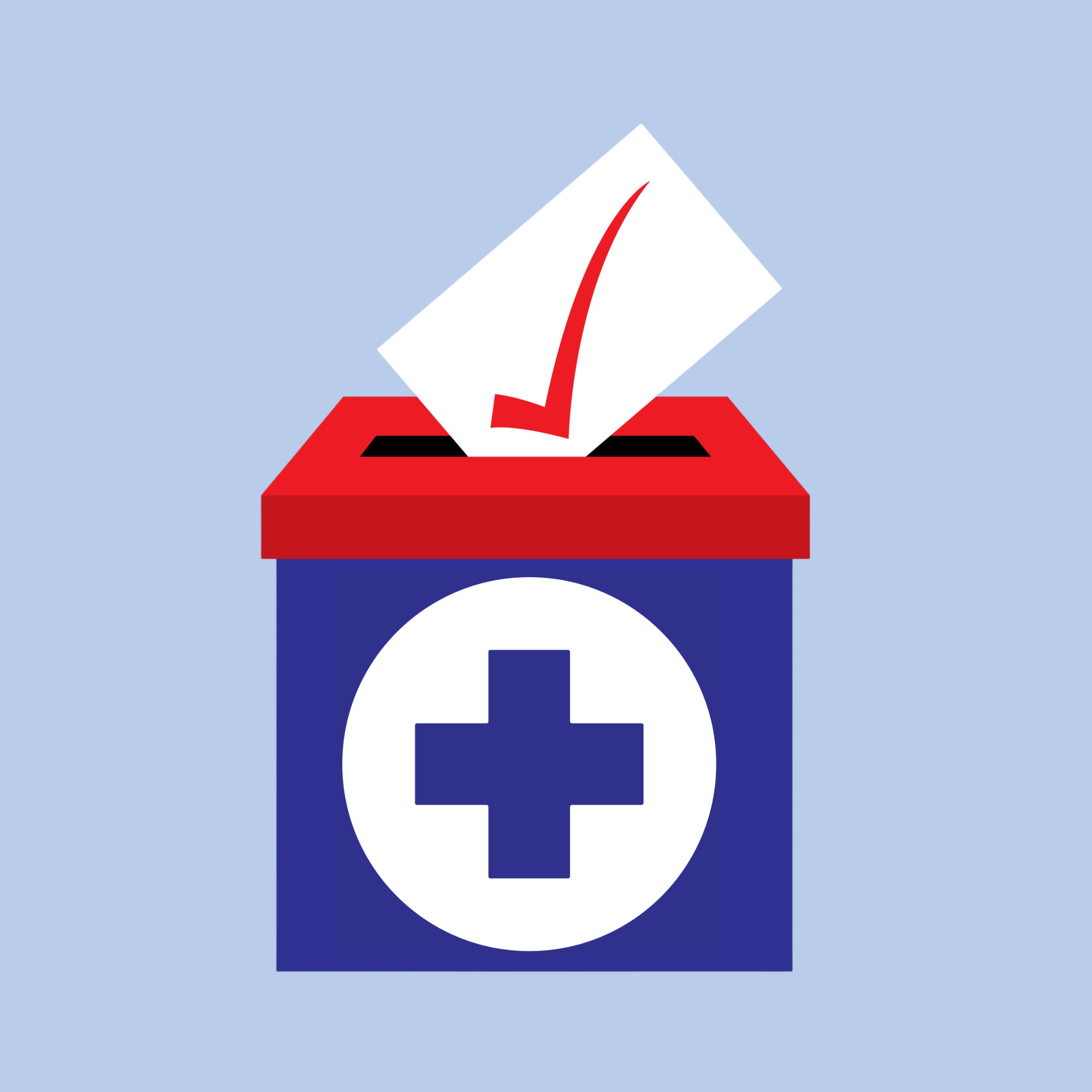
That frustration showed up at the ballot box. Affordability — and specifically health care affordability — topped voters’ concerns. Exit polls showed that 6 in 10 said they were very concerned about health care costs, on par with gas and groceries. Health care was also the issue Senate candidates in swing states spent the most on in campaign ads. Candidates ran on lowering health care costs, and voters answered emphatically: act on health care cost and coverage now.
Congress doesn’t need to wait until January
We’re excited to work with the new class of health champions when they are sworn in next year — leaders with their own records of reforming health care at the state level, their own lived experiences as health practitioners, and as patients.
But Americans have been asking for action for months, and the current Congress can start to act now. In the lame duck session, Congress has vetted, bipartisan legislation ready to strengthen price transparency and expose the excessive prices charged by hospitals and health systems. While transparency alone won’t lower costs, it is foundational for any affordability agenda in the future. We urge every partner to push the current Congress to include this as part of must-pass government funding bills in the next few weeks.
It is a heavier lift, but we’ll also fight to delay and mitigate the Republican budget cuts set to take effect early next year.
What the new Congress can do in the short and long term
As for the new Congress, some wonder if anything will happen while President Trump is still in power for two more years, while others that think that the H.R. 1 cuts are already stopped. While nothing is automatic or inevitable, these historic results provide new opportunities for action in the near term and in planning for the longer haul.
Once the new Congress is sworn in, the big work begins on several fronts.
- Oversight and the power of the purse: The new majorities in Congress will have oversight and investigative authority and budget power to put guardrails on this administration, including its attack on our public health infrastructure. We can support these efforts — with questions, testimony, research, and more.
- Immediate votes on repeal: We expect early votes to repeal the massive cuts to Medicaid and restore the enhanced ACA subsidies — even if these proposals face the filibuster or a veto. That can show the support for this agenda, but can’t let that be the end of the discussion.
- Negotiate for patient needs: If we can’t get full repeal, the new majorities can use their leverage on must-pass funding bills, or legislation the president wants, to restore the ACA tax credits, and to delay or mitigate the cuts.
- Bipartisan opportunities to lower prices: In this populist moment, taking on hospital prices, drug prices, and insurer abuses has support in both parties. We should seize these openings to pass an affordability agenda, just as we did in President Trump’s first term with the No Surprises Act and hospital price transparency.
- Developing bigger and bolder reforms: Immediate wins should not distract us from the bigger reforms that our health system needs. We should use the next two years to build consensus to do more than repeal the cuts or rebuild what was lost. The goal is to reclaim and reimagine a health system that provides guarantees of access, affordability, accountability.
Some of the biggest opportunities are in the states
While there are opportunities in a divided federal government, the states are where new ideas get tested and momentum gets built. Roughly a dozen legislative chambers flipped, and states like Arizona, Michigan, Minnesota, Pennsylvania, and Wisconsin now have trifectas that are likely to prioritize health care access and affordability. Many of our state partners will see health care champions in leadership for the first time in years. Some Medicaid expansion-hold out states like Texas and Georgia may have renewed energy to finally expand their programs.
Some of the boldest work to address cost, coverage, and complexity in our health system is happening and will happen at the state level. Families USA seeks to support it and make it part of the national debate.
The election was historic, but the real history in health care will be made in the advocacy and organizing in the next few weeks, months and years, when we have an opportunity — and a responsibility — to turn these results into reform and real relief for patients and the public. Let’s get to it!
related content
A New Majority and a Clear Mandate to Cut Costs, Not Care
11.17.26 / Insights Blog

Top Tips for Consumers During Open Enrollment
11.12.26 / Insights Blog
