


Dissecting the Deepest Cuts: New Restrictions on Raising Revenue for State Medicaid Budgets
By Mary-Beth Malcarney, Maya Holcomb,
09.14.2026

The 2025 budget reconciliation law (H.R. 1) imposes major new restrictions on states’ ability to generate revenue to support state Medicaid programs by limiting the amount states are able to raise from health care-related taxes on health care providers (“provider taxes”). These limits represent a cut to the Medicaid program of $191 billion over 10 years, leading to an estimated 1.2 million additional Americans becoming uninsured by 2034. And in a proposed rule released July 23, 2026, the Centers for Medicare & Medicaid Services (CMS) aims to restrict provider taxes even further than required by H.R. 1 by extending funding restrictions to new tax types while narrowing states’ ability to comply with provider tax limits and setting additional enforcement requirements.
CMS’ proposed rule, if finalized, would mean a 27% reduction in provider tax revenue across states. This explainer provides background on how states use provider taxes to fund their Medicaid programs, discusses H.R. 1’s provider tax restrictions, and examines the implications of CMS’ newly proposed rule on state health care system funding.

Dissecting the Deepest Cuts: New Restrictions Limiting Medicaid State Directed Payments
06.29.2026 / Fact Sheet
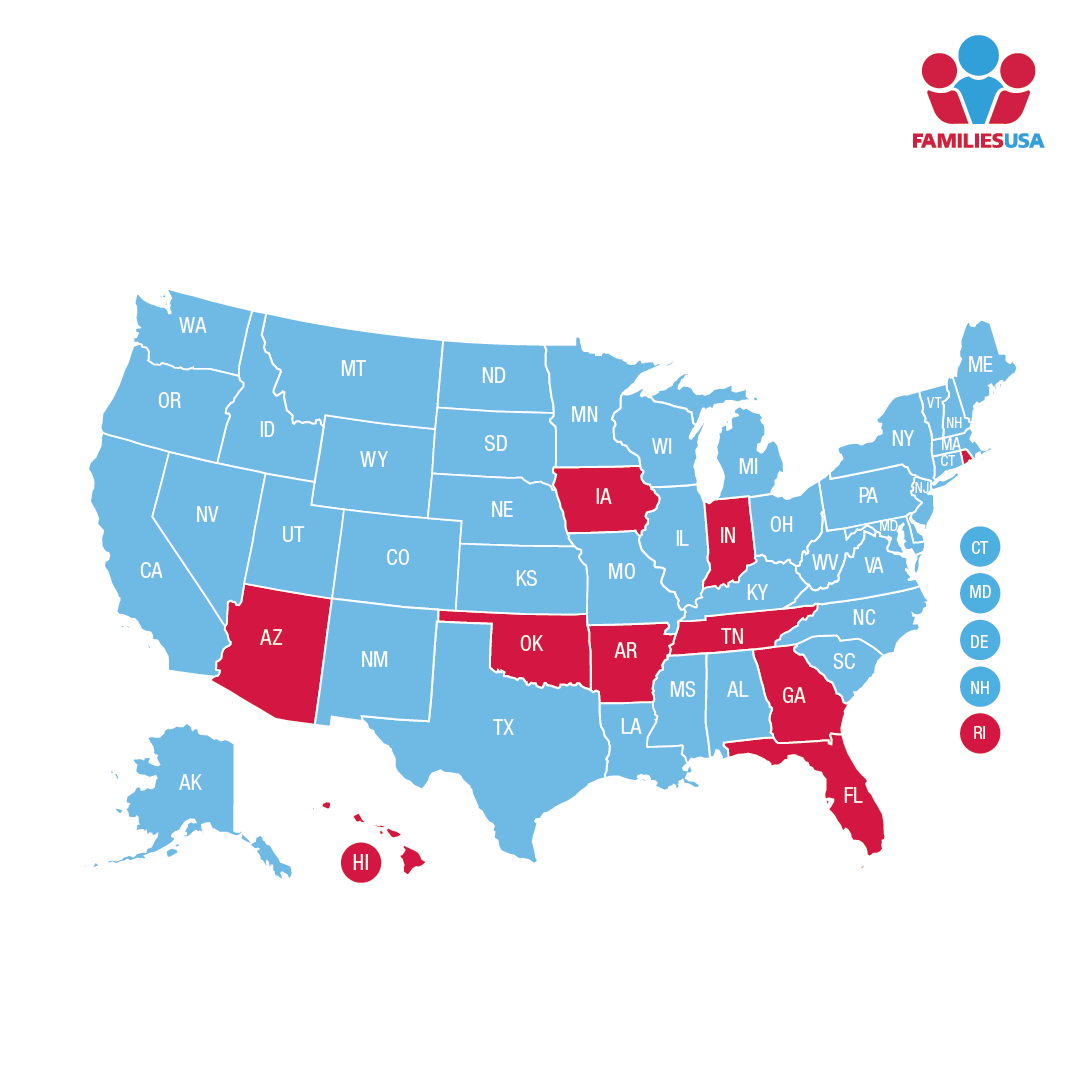
Dissecting the Deepest Cuts: New Restrictions Limiting Access to Medicaid Retroactive Coverage
05.05.2026 / Fact Sheet

related content

Cut by Cut: What the ‘Dissecting the Deepest Cuts’ Series Reveals About H.R. 1
10.22.26 / Insights Blog

Dissecting the Deepest Cuts: New Expenses for Adults on Medicaid
10.22.26 / Fact Sheet

Dissecting the Deepest Cuts: New Barriers to Medicaid Eligibility and Enrollment
10.22.26 / Fact Sheet

The Money That Masks a Much Bigger Cut to Care
10.21.26 / Insights Blog