



It’s just unbelievable to me that a country, we’re considered one of the wealthiest countries in the world, that our population doesn’t have access to health care and it’s unaffordable and unreachable for most.

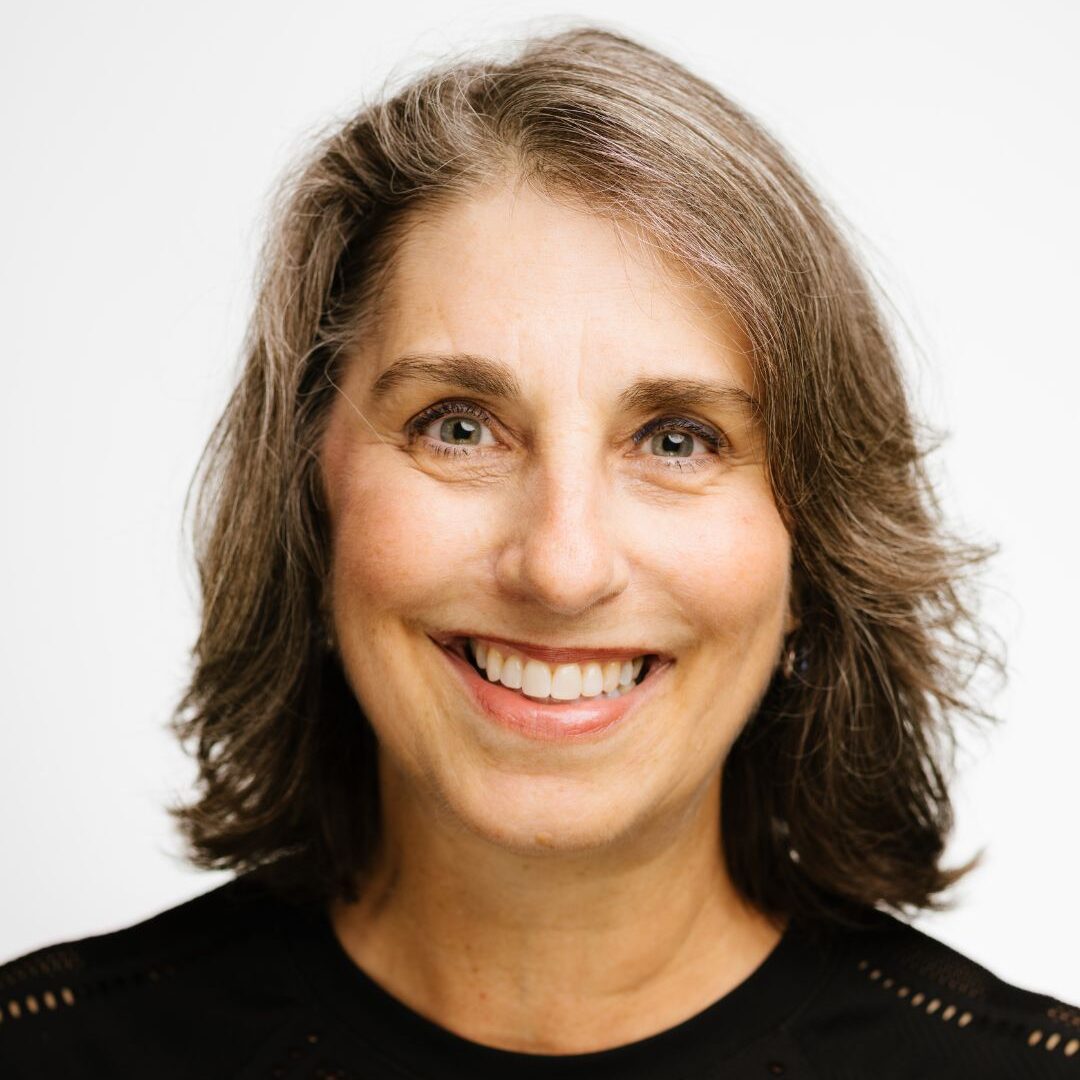
Lisa Long is 61 years old, an independent worker who has always run her own business, teaching movement and doing communications work across health, wellness and educational platforms. She buys her own health insurance through the Affordable Care Act Marketplace, sharing, “I’m in that gap time period where I’m still working, but I don’t qualify for Medicare.” Her husband is retired and covered by Medicare, though the couple still pays for a supplemental plan on top of it.
Lisa has lived for about 25 years with a rare joint disease called giant cell tumors. “This rare joint disease will not kill me, but it greatly can reduce quality of life,” she said. Most people who have lived with the condition as long as she has, she explained, have “pretty much exhausted their health care” by this point, cycling through chemotherapy, radiation, joint replacement, even amputation, because the disease is “relentless in its aggression.”
Lisa described how the tumors attack the bone in the joints they target, causing severe swelling and creating what she called “a very toxic environment inside the joint space.” Even a joint replacement doesn’t stop it from attacking. The disease brings constant pain and, eventually, loss of mobility. “You’re managing not only pain, but also daily function. And that impacts your ability to work. Like you can’t work if you’re in pain and you can’t move.”
There is no cure.
Lisa has already had surgery to remove tumors, only to have them return. What comes next is a constant weighing of options: radiation, chemotherapy, and experimental pills. “You’re literally constantly exhausting opportunities and potentials to feel better and to function better,” she said. “And you’re in this pipe of doing that throughout your whole life.” She knows many others with the condition simply can’t afford to keep going. “I’m fortunate that I can still work so that I can pay for my health care,” she said, adding, “I’ve had to actually take on more work so that I can pay for my insurance because my insurance has gone up since November, 2025.”
Every year, Lisa and her husband shop the Marketplace to find a plan that still lets her see the specialists who understand her condition, at a price they can manage. In November 2025, that price changed dramatically. “My plan increased almost 36%,” she said. “It’s the same plan with the same provider, with the same coverage, with the same deductible. And there’s no reason for the increase other than what happened with the Affordable Care Act.”
To keep her coverage, Lisa had to take on more work. But the toll goes beyond her schedule. Nearly all of the income she brings in now goes toward her insurance rather than the house, food or gas, and she isn’t able to put anything into savings. “I work to pay for my health insurance,” she said.
The uncertainty weighs on her marriage as much as her body. She and her husband have had serious conversations about whether to drop her coverage altogether, weighing her access to specialists against a bill that keeps climbing. “We’ve had serious discussions, my husband and I, about do I gamble and not have access to specialists because it’s getting out of control,” she said. “It’s kind of weird to think like that I’m even in this conversation and I’ve even been discussing it with my spouse to not have health care because it costs so much.” For Lisa, the calculation is between two kinds of security — financial stability now, weighed against not knowing when her health could deteriorate.
She contrasts her outlook now with her 20s, when she went without health insurance and felt she could weather it. “In your 20s, there’s a little bit of like, well, I’ll be all right,” she said. “I’m not in my 20s anymore. I’m not gonna be all right. And I’m also living with a diagnosed condition. And my thoughts about health care are very different than a 20 year old.”
But Lisa knows she is better off than many others living with her disease. Through a worldwide community of people with giant cell tumors, she has heard how differently the condition is treated elsewhere. “In other countries, people have access to health care with this condition,” she said. “And here in the United States, they don’t have access to services and things that can help them stay mobile and functioning and work.” She finds that hard to reconcile with the country she lives in. “It’s just unbelievable to me that a country, we’re considered one of the wealthiest countries in the world, that our population doesn’t have access to health care and it’s unaffordable and unreachable for most. I’m one of the fortunate ones that I can work my tail off to pay for it.”
Add your voice to help us continue to push for the best health and health care for all.
SHARE YOUR STORY