



I can’t remember a time in my life where I didn’t have medical debt.

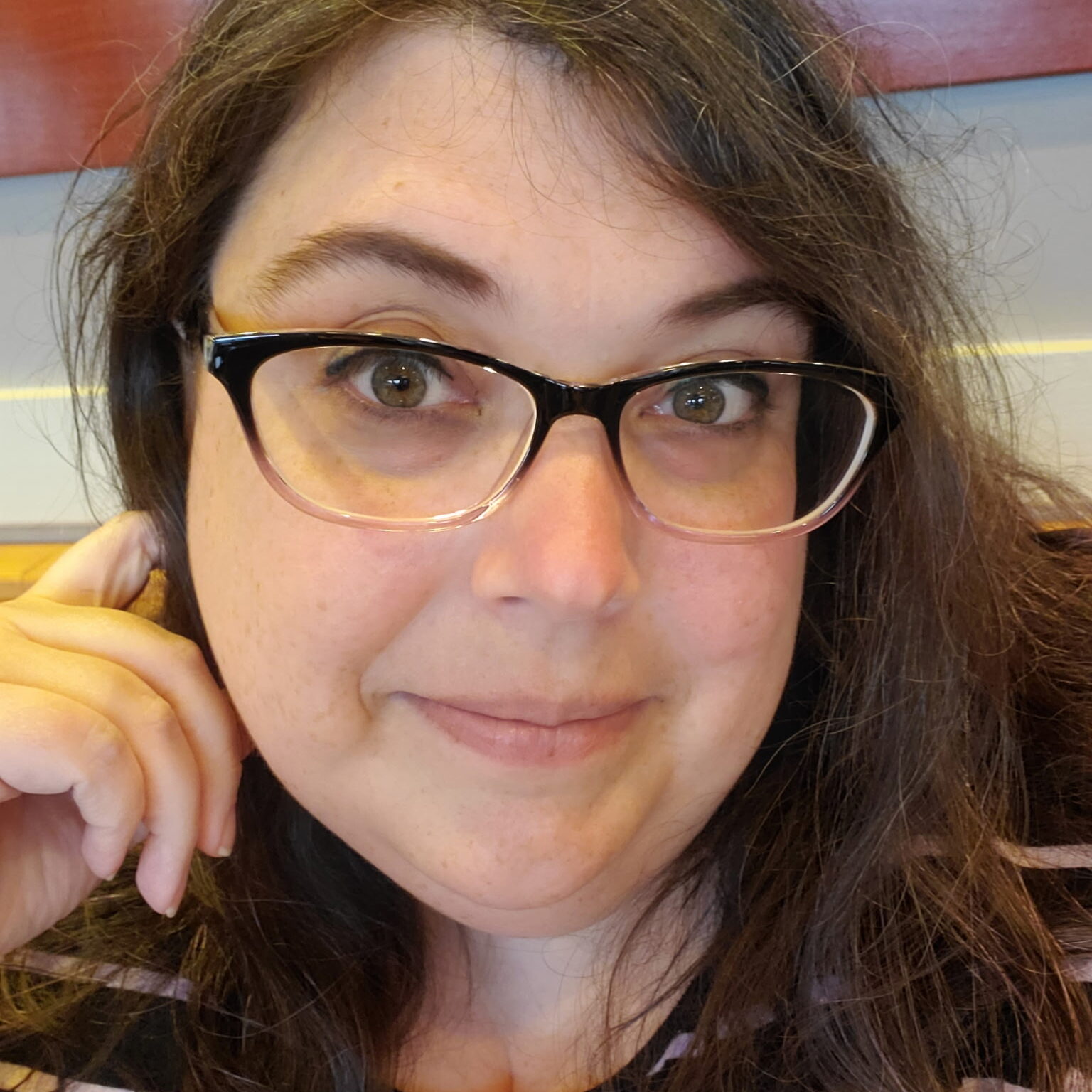
Lynn Weidner is a home care worker in Allentown, Pennsylvania. She is 43 years old, and at any given moment, she is likely doing the work of three people. During the day, she cares for her two-year-old niece. Simultaneously, she manages her mother’s medications, doctor’s appointments, and daily needs — her mother lives with them and has Alzheimer’s disease. She also provides round-the-clock care for her partner, who has cerebral palsy and requires a nursing home level of care. He receives 80 hours a week of in-home care, and Lynn provides all of it. Technically, she is on call 24 hours a day, 7 days a week.
For someone who gives so much to others, navigating the health care system without insurance meant turning her resourcefulness inward. She borrowed antibiotics from people she knew. When she had an ear infection and couldn’t afford a prescription, she ordered antibiotic pills online from a veterinary supplier — the same medication, available without a prescription for fish. During this time she also broke her ankle, requiring a surgery that sent her to collections. But Lynn managed, the way she always has. Though, this approach came at a cost to her health. For years, she felt run down and couldn’t understand why. It wasn’t until she finally had insurance and could get blood work done that she discovered she was severely anemic. “I didn’t know that until I was actually able to get a checkup and blood work,” she said.
Having insurance brought relief, but not the kind most people imagine. Lynn is quick to push back on the assumption that a coverage card means financial security. “It’s still expensive,” she shared, “The premiums are expensive, the deductible’s expensive, the out-of-pocket’s expensive.” Her current gold plan carries an $1,800 deductible and an $8,000 out-of-pocket maximum. Each January, the clock resets, and the bills start accumulating again before she has met either threshold. She works out payment plans with her hospital network, chipping away at the balance throughout the year, only to start over again. “I can’t remember a time in my life where I didn’t have medical debt,” she said. She is still paying a bill from 2016 or 2017. Rolling debt has simply become the backdrop of her life. “It just sort of became normal for me to have medical debt. It’s just… is what it is.”
Last year, Lynn faced a hospitalization from a virus that left her oxygen levels dangerously low, requiring two hospital stays. It came with a bill of $12,000 after insurance, because it happened in January and February before she had met her deductible. She applied for charity care and got the bill reduced to $2,000, which she finally paid off in December. Then January arrived, and the cycle began again.
The precariousness of her situation came into sharp focus when enhanced ACA subsidies were allowed to lapse. Lynn had been paying $400 a month for her health care premium. When the subsidies disappeared and premiums rose, her monthly cost jumped to $865. Around the same time, she received a raise at work, going from $14 to $16 an hour. “You would think, oh, great,” she said, “but all of my raise went directly to my health care going up.” She couldn’t downgrade her plan — she relies on her coverage too heavily to accept a higher deductible in exchange for a lower premium. So instead, she made cuts elsewhere. She downgraded her internet. She stopped buying beef. “I look at the price, and I can’t justify paying that much for, like, you know, 2 meals,” she said. Date nights and movies are gone. A trip to visit her partner’s family in Charlotte, where they had traveled once a year, is off the table this summer. “He can get on Zoom with them instead, which is… it’s frustrating,” she said. This is not where Lynn imagined she would be at 43 years old.
Her car died and had to be replaced. It was not optional — her partner uses a power wheelchair, and accessible transportation in the Lehigh Valley is essentially nonexistent. So now there is a car payment, too. The math keeps not adding up, and the things that get cut are always the same ones. “It always ends up being, like, the fun stuff,” she said. Once a month, they splurge on Chinese takeout and stretch it across three days by mixing it with extra rice.
Lynn spent years keeping her head down, believing that if she worked hard enough, things would eventually get better. She no longer believes that. “Nothing’s gonna change unless people start speaking up,” she said. As a home care worker and a former certified nursing assistant, she has spent her career advocating for people with disabilities. Now she is advocating for herself, and for workers like her. “If not me, then who?” she said. “I’m gonna stand up, I’m gonna say something.”
Speaking out has changed something in her. Before she started sharing her story, she was depressed and weighed down by a feeling of helplessness. Finding her voice lifted that. “It was like, I can do something, I can speak out, I can use my voice,” she said. “That actually, like, it was very empowering.” It gave her confidence, she says, and “the ability to laugh things off — along with therapy and antidepressants.” She keeps going because she does not have a choice, and because hearing other workers’ struggles only fuels her further.
Add your voice to help us continue to push for the best health and health care for all.
SHARE YOUR STORY