

Black Women. Health. Power.: Creating Space for Connection, Community and Collective Calls to Action
By Tasha Dawson, Staci Lofton,
09.25.2026
This year marked the 55th anniversary of the Congressional Black Caucus Foundation’s Annual Legislative Conference (ALC). The conference convenes policymakers, advocates, organizers, faith and community leaders in Washington, D.C. to identify the priorities of Black communities that demand legislative action.
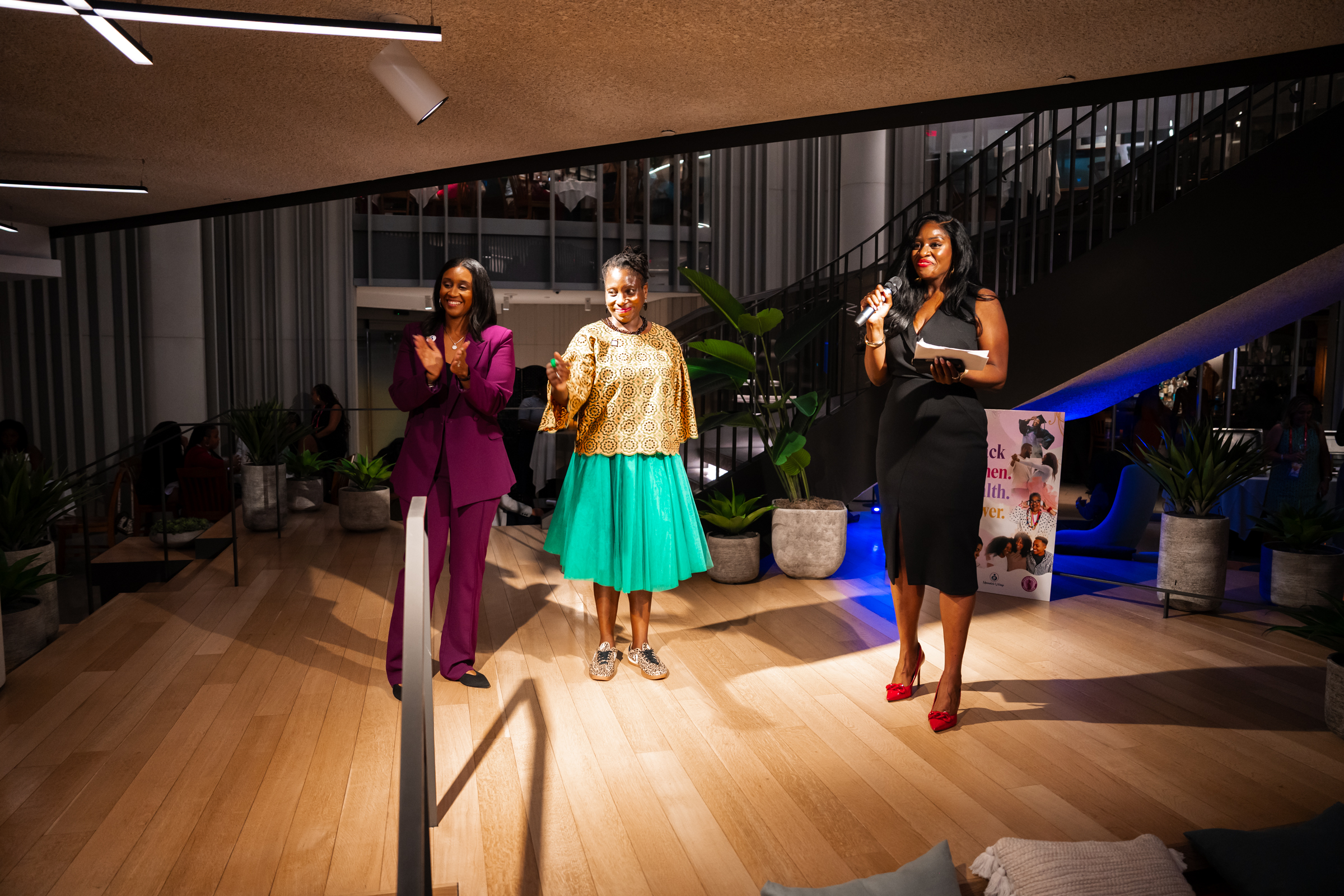
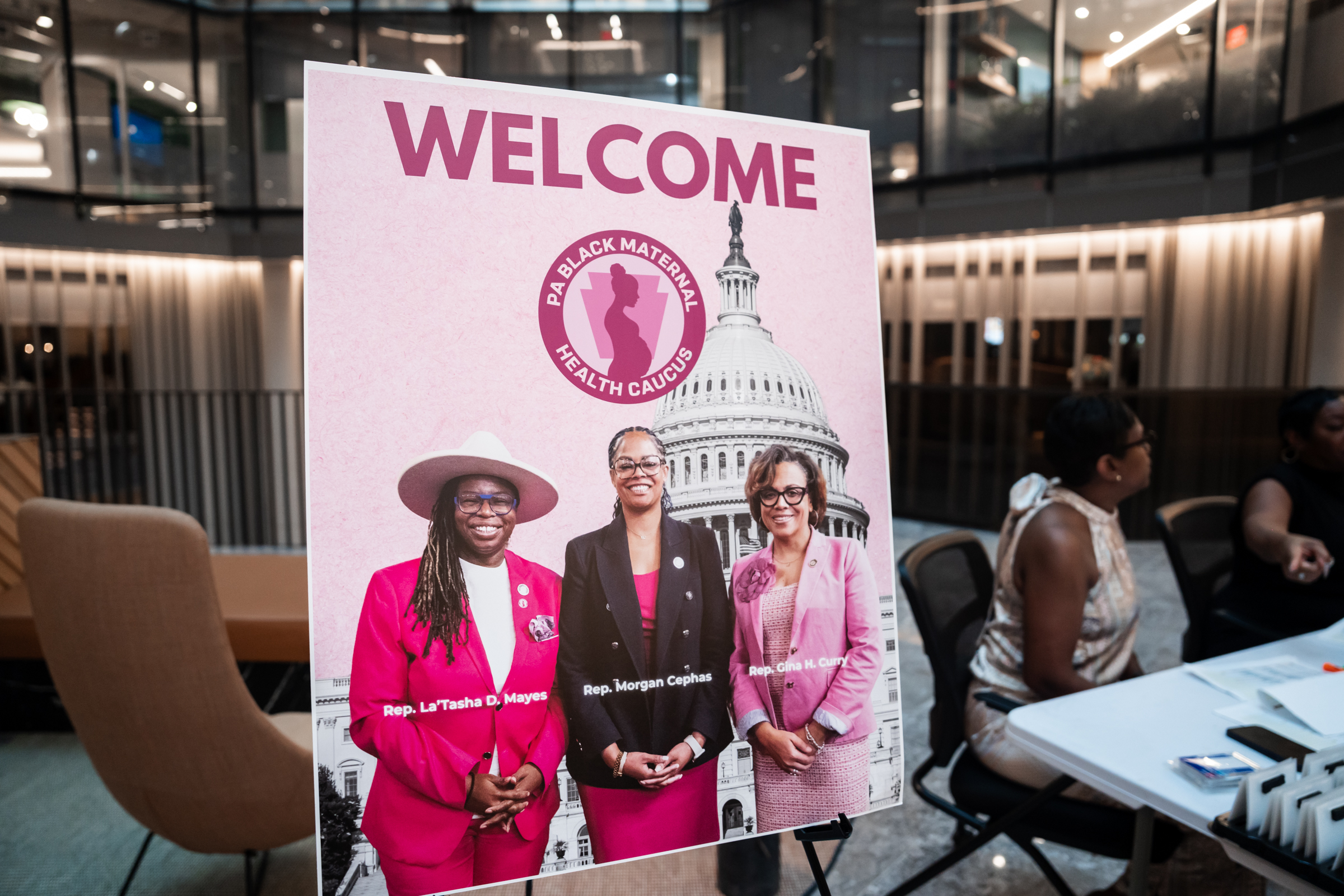
In the same spirit that brings thousands of changemakers to D.C. for this annual event, Families USA joined the Black Women’s Health Imperative (BWHI), Mamatoto Village and the Pennsylvania Black Maternal Health Caucus (PBMHC) to host Black Women. Health. Power, a reception designed to uplift Black women’s health, strengthen partnerships and drive collective action.
Why It Matters
Black women continue to experience some of the deepest and most persistent inequities in the U.S health care system, especially when it comes to maternal and reproductive health. Existing disparities in health outcomes, coverage, and access to care are likely to widen under recent federal health policy changes, including cuts and restrictions to Medicaid and the ACA marketplace that are expected to disproportionately affect Black women’s maternal and reproductive health.
For these reasons, Families USA collaborated with our partners to create a space for health justice advocates to rest and regroup in a season of heavy blows and devastating losses. A room where elected officials, organizational leaders and partner advocates from across the country engaged in candid and authentic conversations about maternal health, reproductive justice, and health care affordability. A safe space centered around the people working every day to change disproportionate health outcomes.
“Black women have always been key architects of the solutions to health injustices that ail this nation; fighting for high–quality, affordable, culturally responsive care that benefits everyone living in the US. This reception honored that legacy and brought together allies ready to continue the fight.” – Staci Lofton, Senior Director, Health Equity, Families USA
The Room Where it Happened
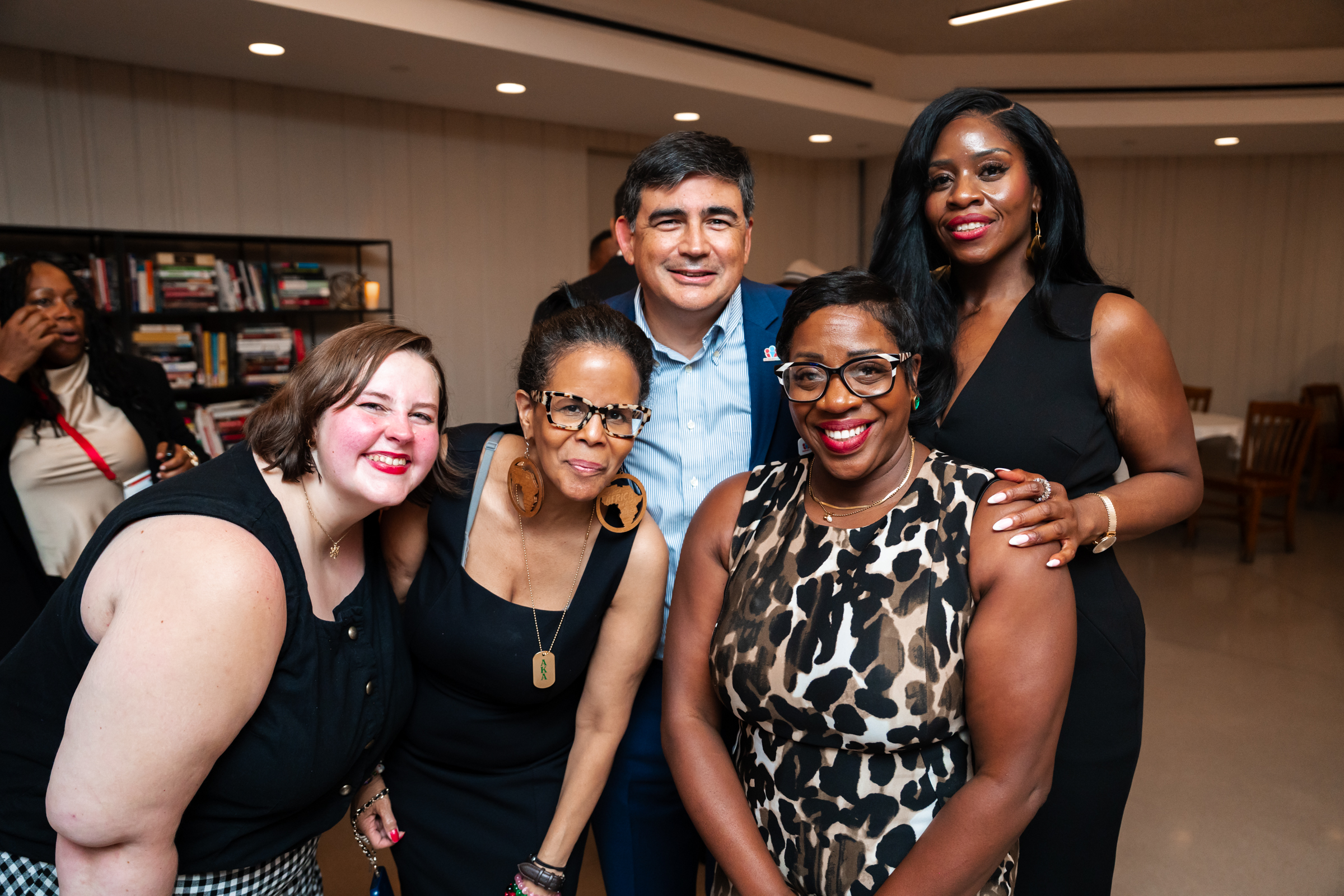
More than 150 people filled the open-air atrium just, steps away from the bustling sessions of the ALC. Members of Congress, state legislators, and leaders from more than 85 national and community organizations showed up for Black women’s health.
Among them were representatives from organizations including Planned Parenthood, All* above All, The Truth Initiative, NAACP, Black Mamas Matter Alliance, BlKHLTH, Community Catalyst, March of Dimes, the Data Equity Coalition, and other partners working across the health equity, reproductive justice, maternal health, and public health.
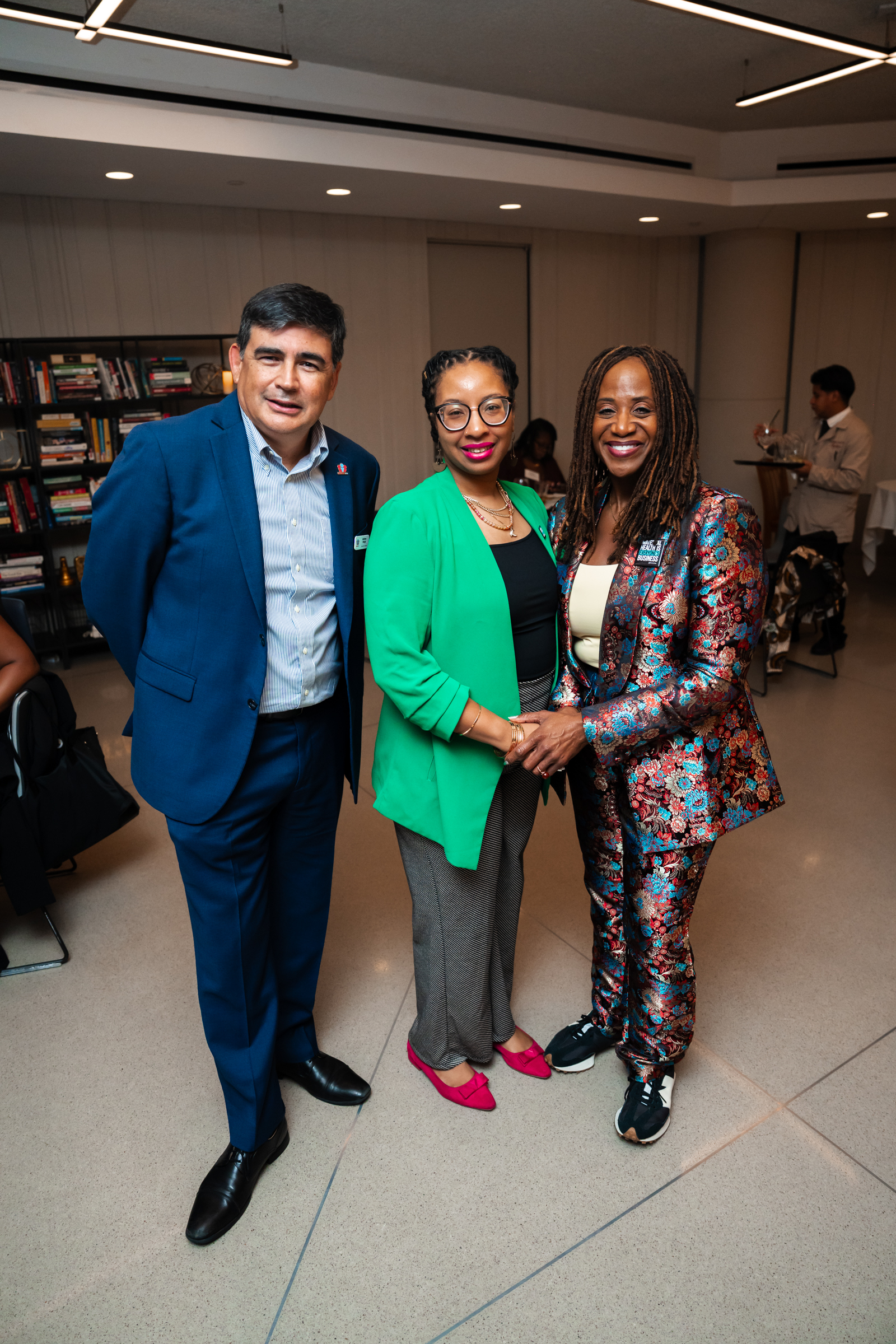
People who often encounter one another through coalition calls, policy debrief meetings, email threads or large conference venues, had the opportunity to simply connect and be with one another. Success was found not simply in the size of the guest list, but in the number of connections made, the partnerships that were strengthened, and the plans for action that were formed.
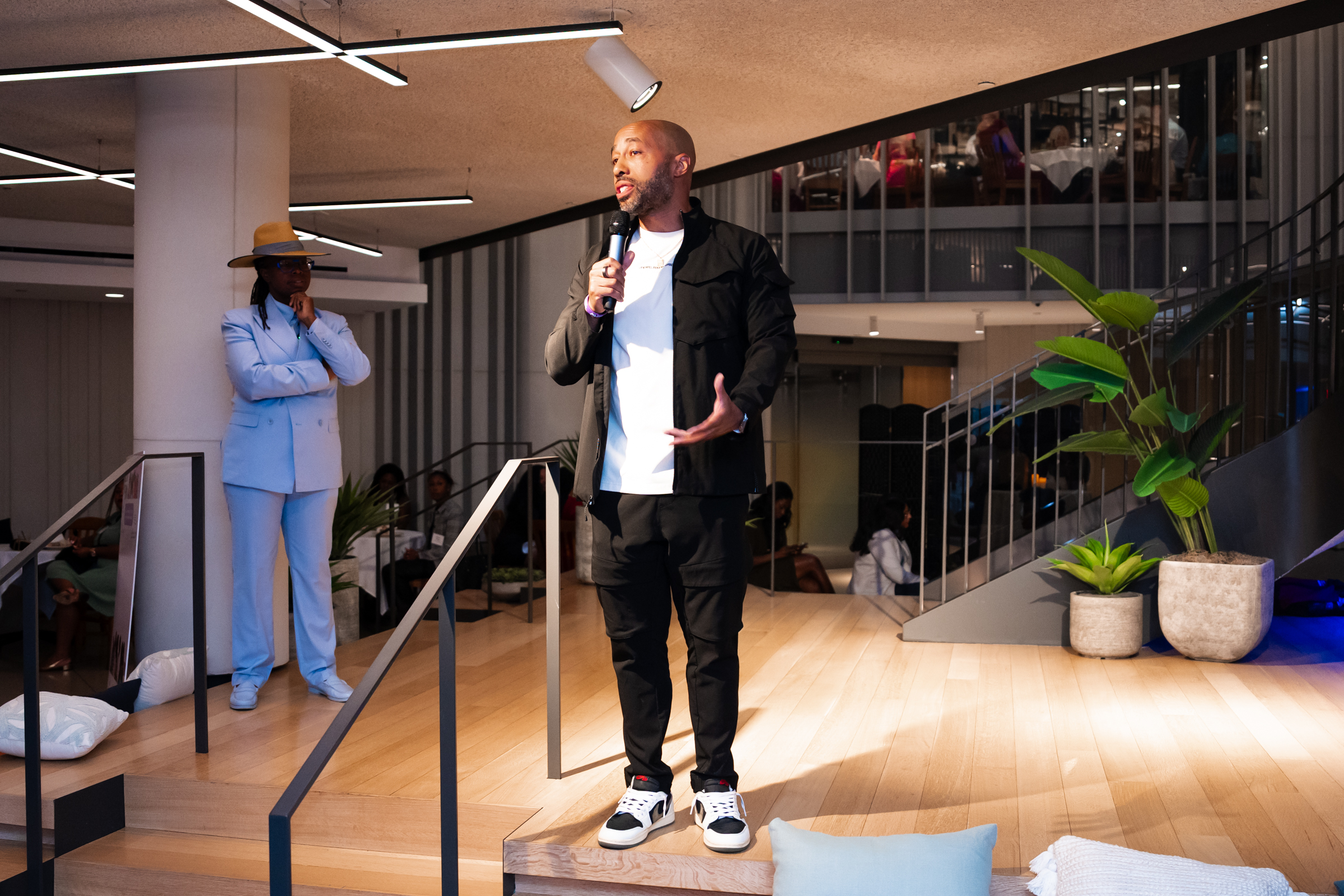
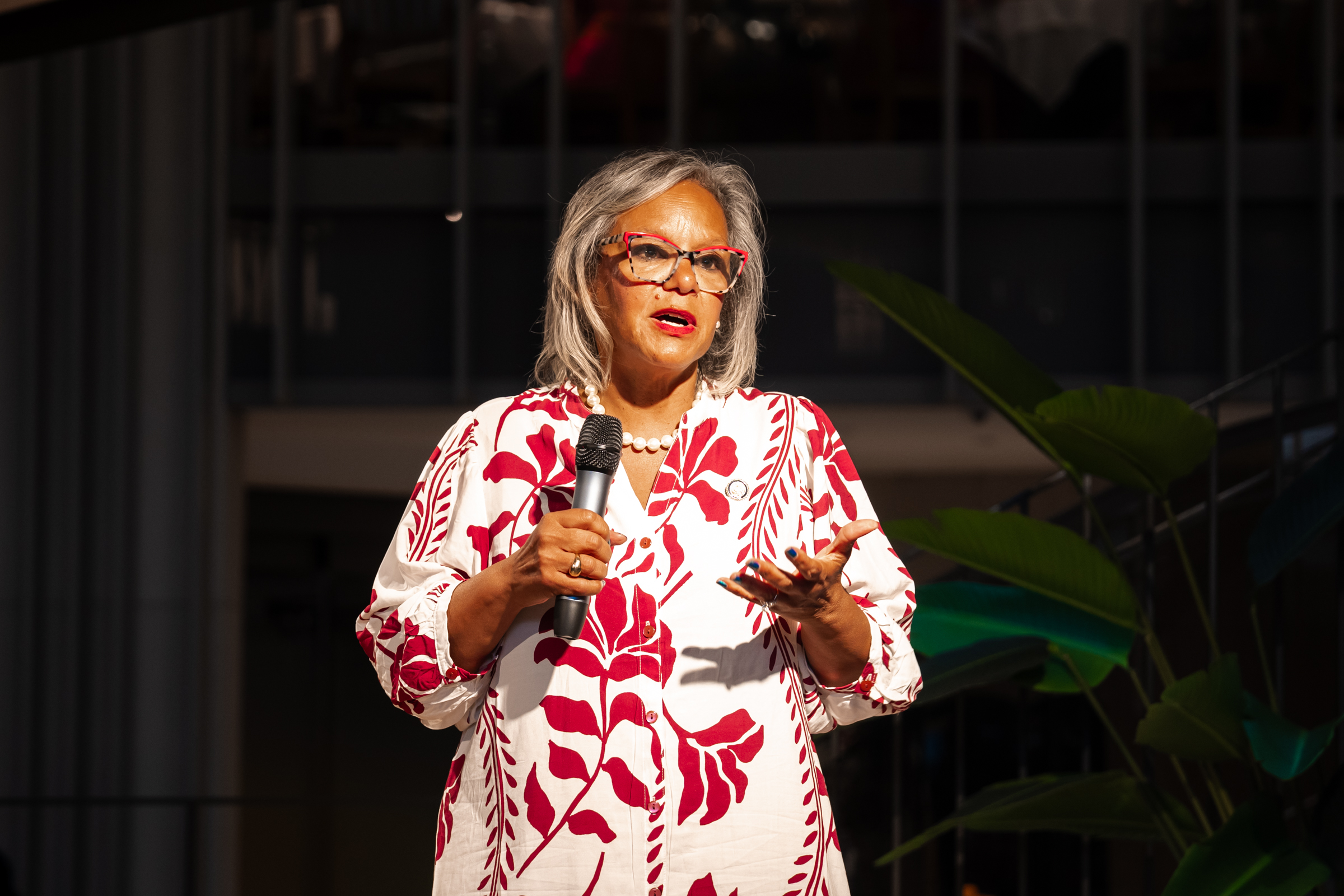
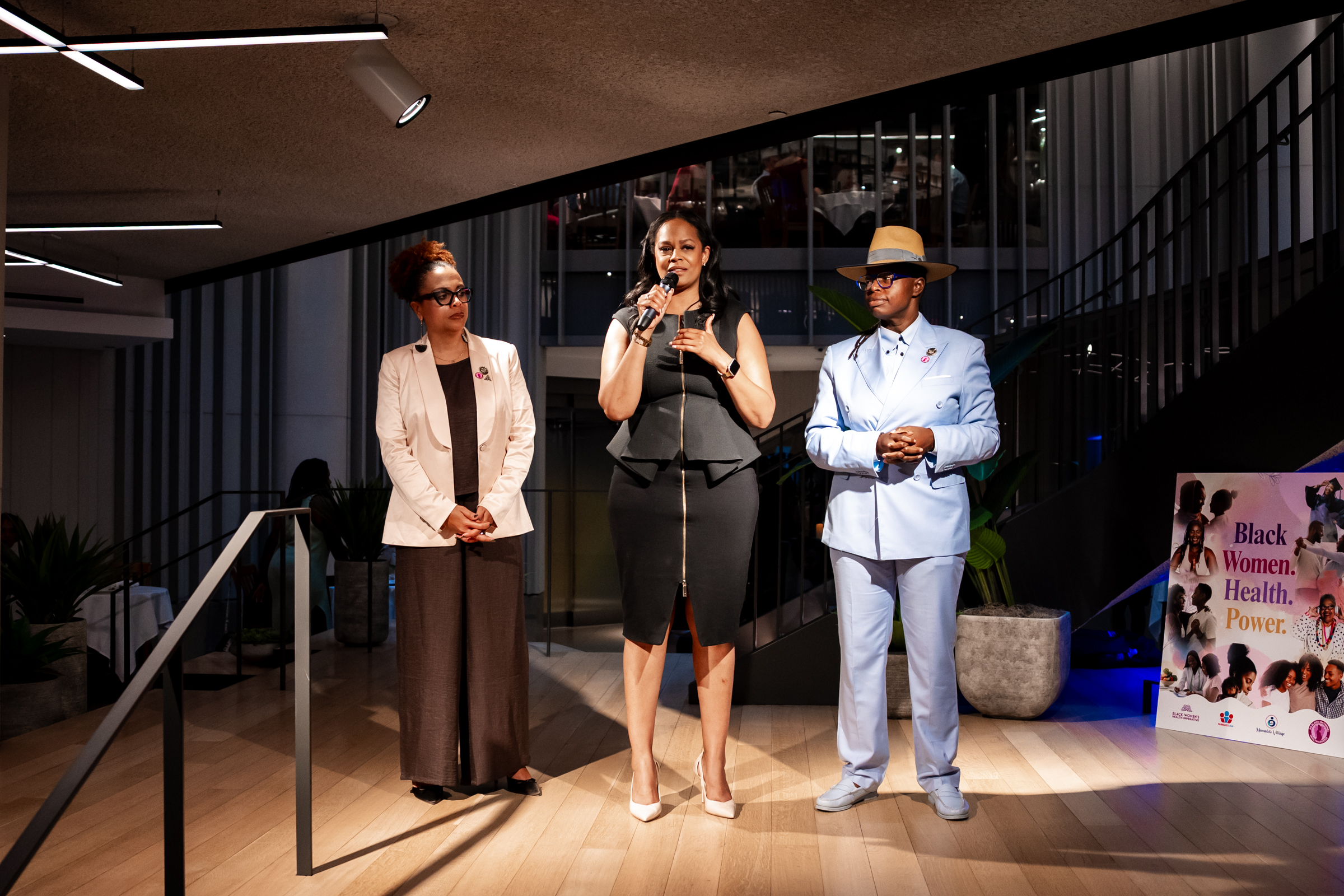
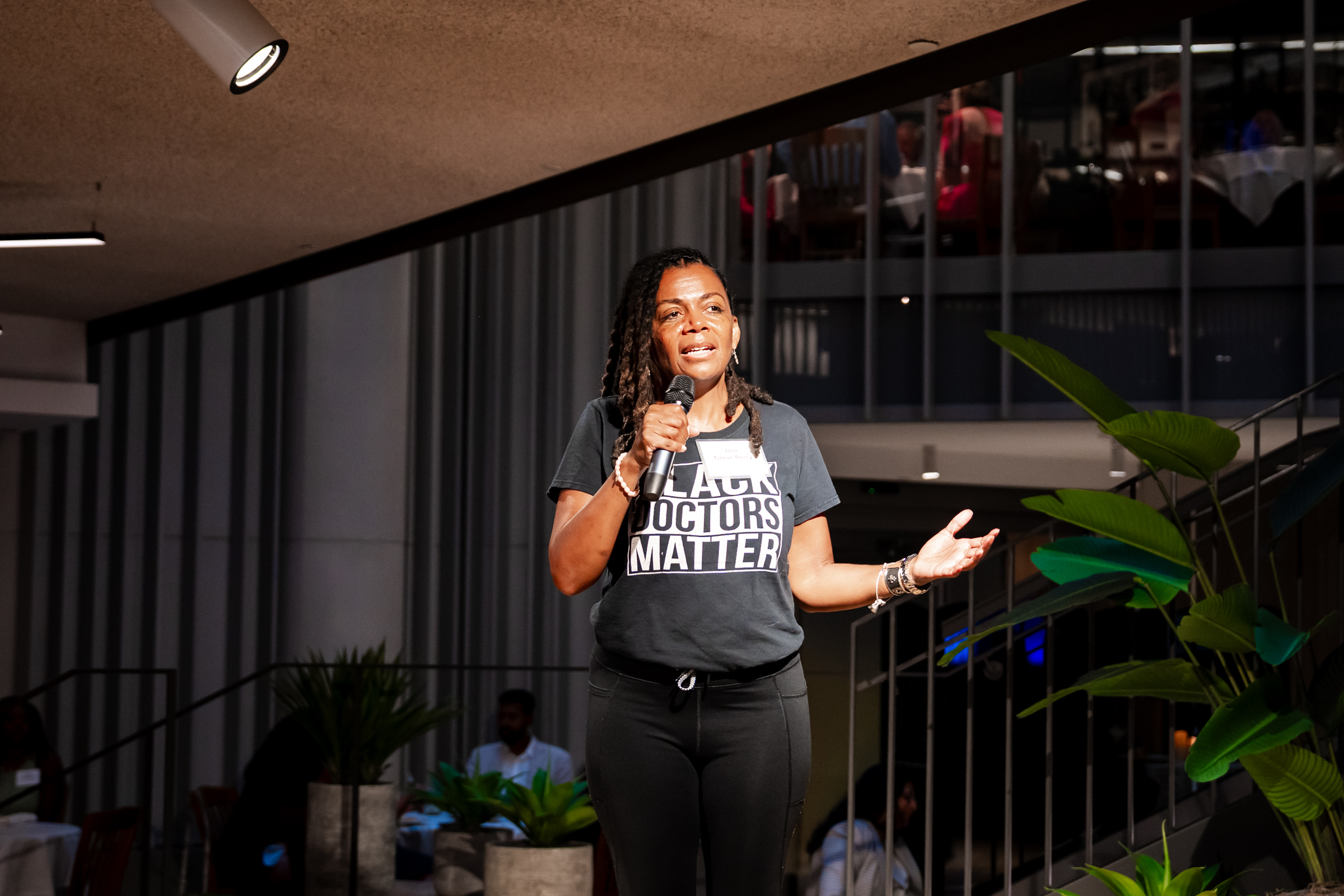
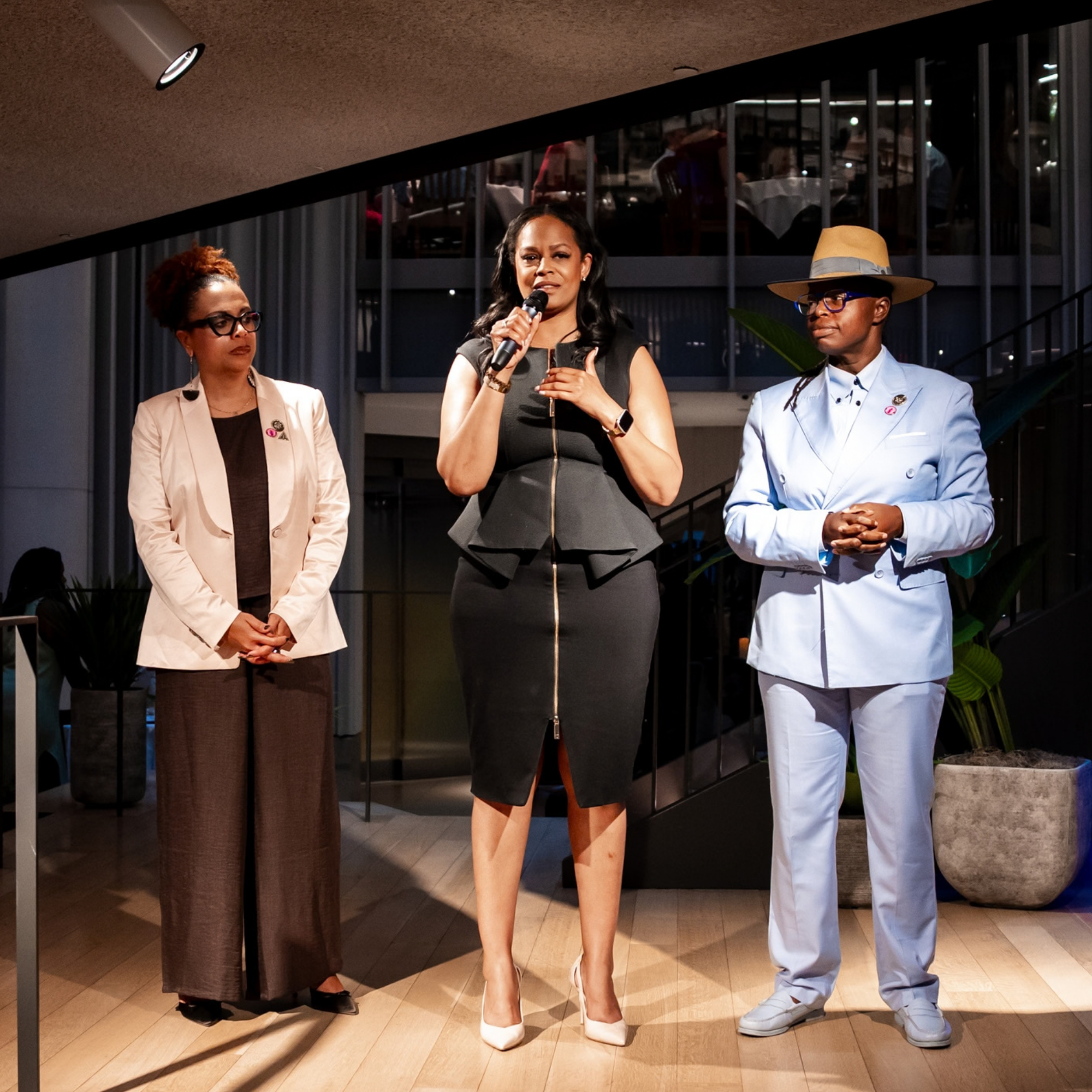
In addition to food, cocktails and comradery, the evening included brief reflections from U.S. Representative Robin Kelly (D-IL), Dr. Joia Crear – Perry, Charles Johnson of 4Kira4Moms and Kimberly Seals Allers, founder of Irth App. Each of their voices, their stories and their calls to action helped reinforce the urgency of the work those in the room know all too well.
In her remarks, Rep. Kelly made the case for urgent action on maternal health, grounding it in the realities facing families across her diverse district. She shared the story of a farmer who had to travel 60 miles for maternity care, a stark illustration of the barriers too many families face just to access essential services. Rep. Kelly made the case for the Women’s Expansion for Learning and Safety (WELLS) Act, her bill to urge hospitals and birthing centers to create safe discharge plans for women who are pregnant and experiencing labor symptoms, as well as racial bias training for health care professionals, and for Rep. Lauren Underwood’s Momnibus Act. She was candid about the challenge of garnering support for the bills from her Republican colleagues in Congress, but doubled down on her commitment to building bipartisan consensus, pointing to growing recognition among lawmakers that maternal health outcomes must improve. Rep. Kelly closed with a call for advocates and legislators to act together, making clear that progress depends on sustained collaboration and advocacy.
Power in Partnerships
The evening’s power came from the partners who worked together to build it. Families USA was honored to collaborate with three powerhouse organizations.
For more than four decades, BWHI has led the national fight for the health and wellness of Black women and girls, unapologetically and without compromise. For 13 years, Mamatoto Village has delivered deep community-rooted maternal health expertise, supporting expecting families, and advancing policies that protect and uplift Black families. The PBMHC, formed in 2023 by co-chairs and State Representatives Morgan Cephas, Gina Curry and La’Tasha Mayes — each of whom boldly addresses Black maternal mortality and morbidity in Pennsylvania through strategic, intersectional, evidence-based legislation.
Black women’s health is not limited to any one issue. It sits at the intersection of reproductive justice, maternal health, affordability, public health policy, access to care and resources. No single organization can address these compounding factors alone.
The “Black Women. Health. Power.” reception created a space to listen, learn, strategize, and rejoice shoulder to shoulder.
“There is strength in numbers, and when organizations like Mamatoto Village, Families USA, and the Black Women’s Health Imperative come together around a shared vision, we amplify not only our voices, but our collective power. Black women deserve systems that protect their health, honor their experiences, and allow them to thrive. Creating that future requires all of us, bringing our expertise, resources, communities, and influence to the same table and moving toward a common goal. Collaboration is how we turn individual efforts into collective impact.”– Mariah Barnette, Chief of Staff, Mamatoto Village
By every measure, the reception delivered.
“BWHI was proud to partner with Families USA, and Mamatoto’s Village on bringing together our community, our advocates, and our legislators for such an important gathering that inspired joy, connection, and authenticity for those of us who work on the front lines between policy, practice, and science to uplift the health of black women. We are so grateful for Representative Tasha Mayes for her leadership and vision, for bringing us all together in community and in dialogue as we move onwards along this path to better strengthen the health of black women in the United States.” – Dr. Ifeoma C. Udoh, EVP of Policy and Research – BWHI
More than a Reception, a Reaffirmation
The health disparities facing Black women are longstanding and systemically rooted; one reception is not the magic fix. But progress has always been built in and advanced by community: in spaces that cultivate stronger relationships, greater trust, shared strategy and a resolve to collectively drive policy and systems change. That was the purpose of this gathering and that is the work we, as a collective, intend to carry forward.
Whether in D.C. or across the country, we hope advocates join us in that spirit and take this opportunity to urge their Members of Congress to take action on holistic maternal and child health legislation that meets the specific needs of Black women, including but not limited to the Momnibus.
related content
The Battle Over Mifepristone Access in 2026
9.28.26 / Insights Blog
Dobbs Anniversary Day of Action Toolkit
6.22.26 / Social Toolkit