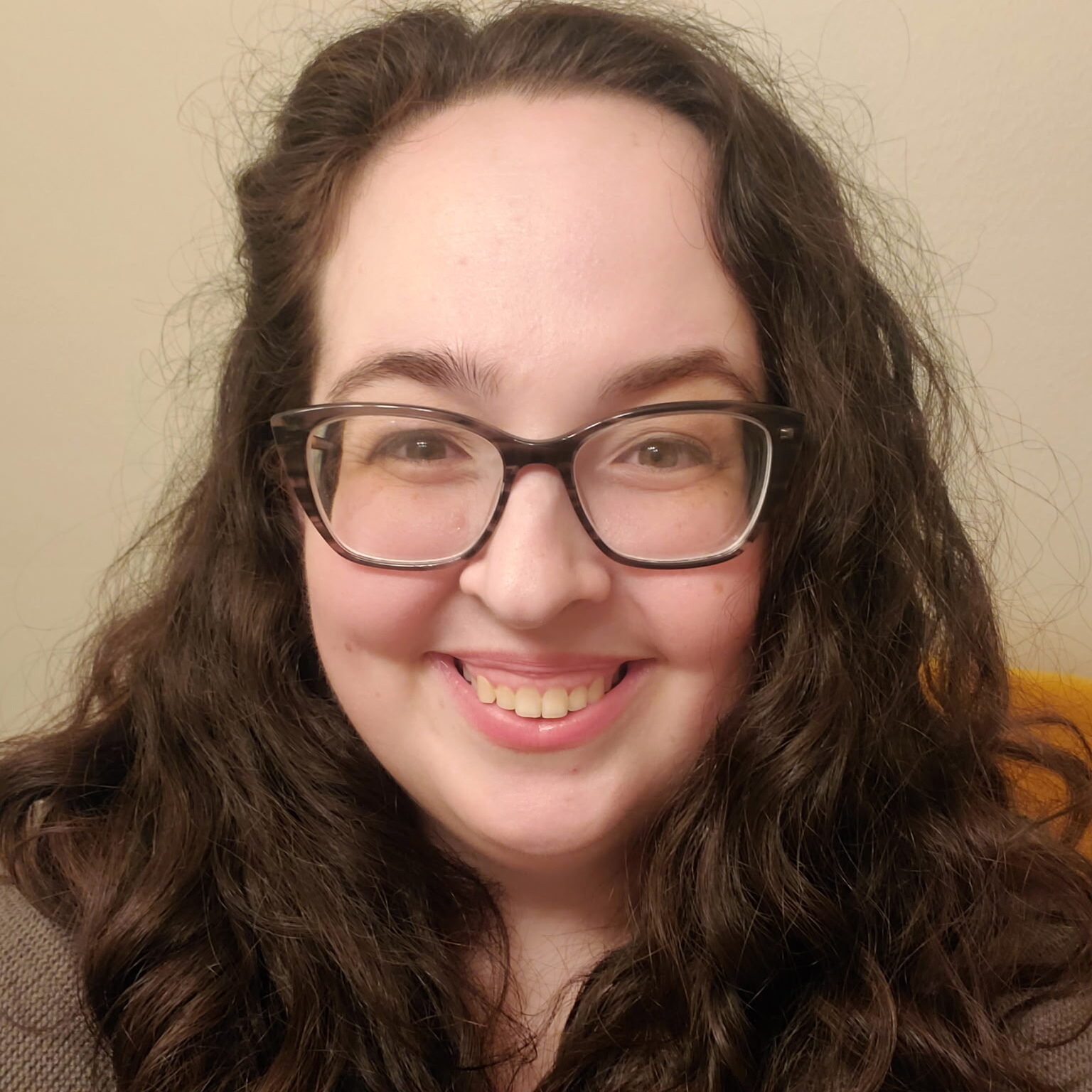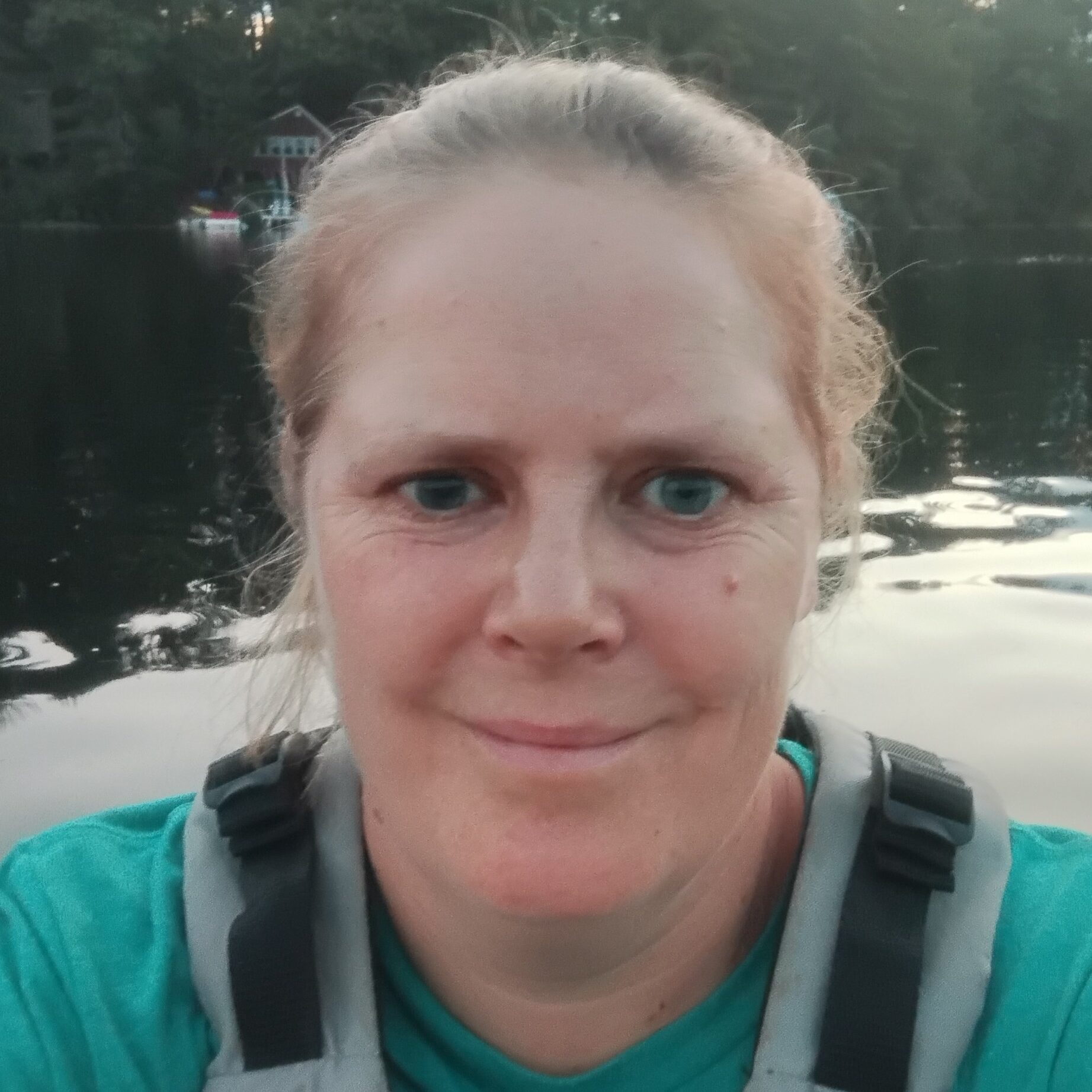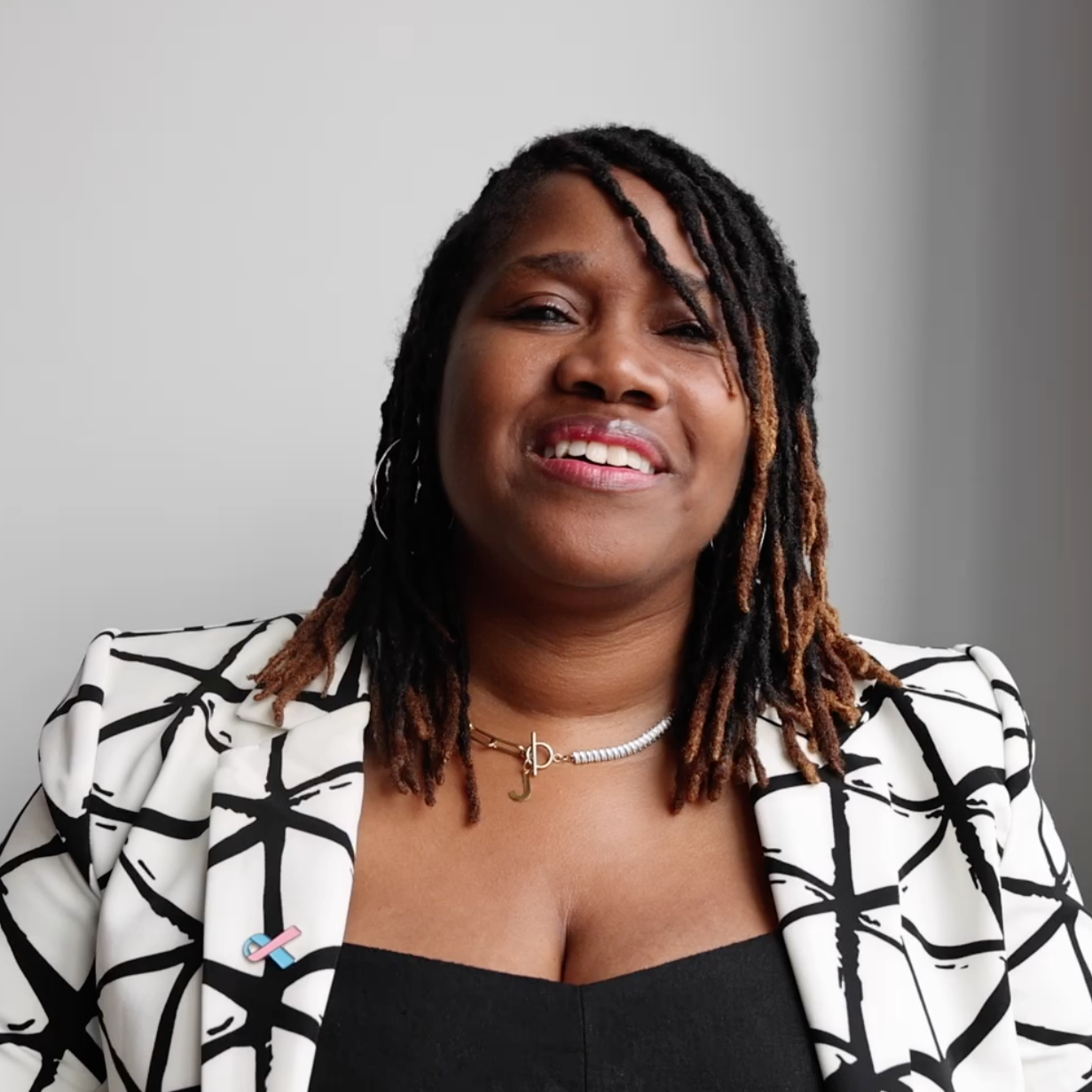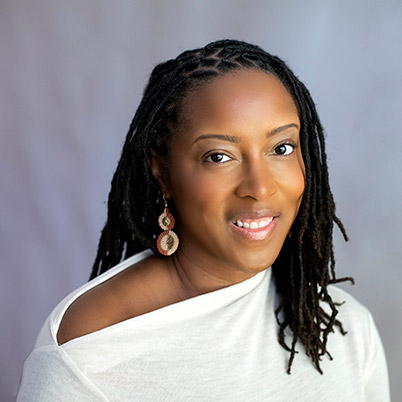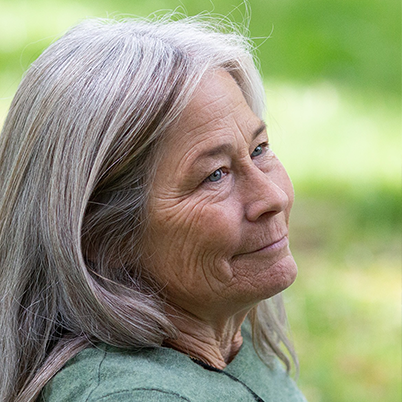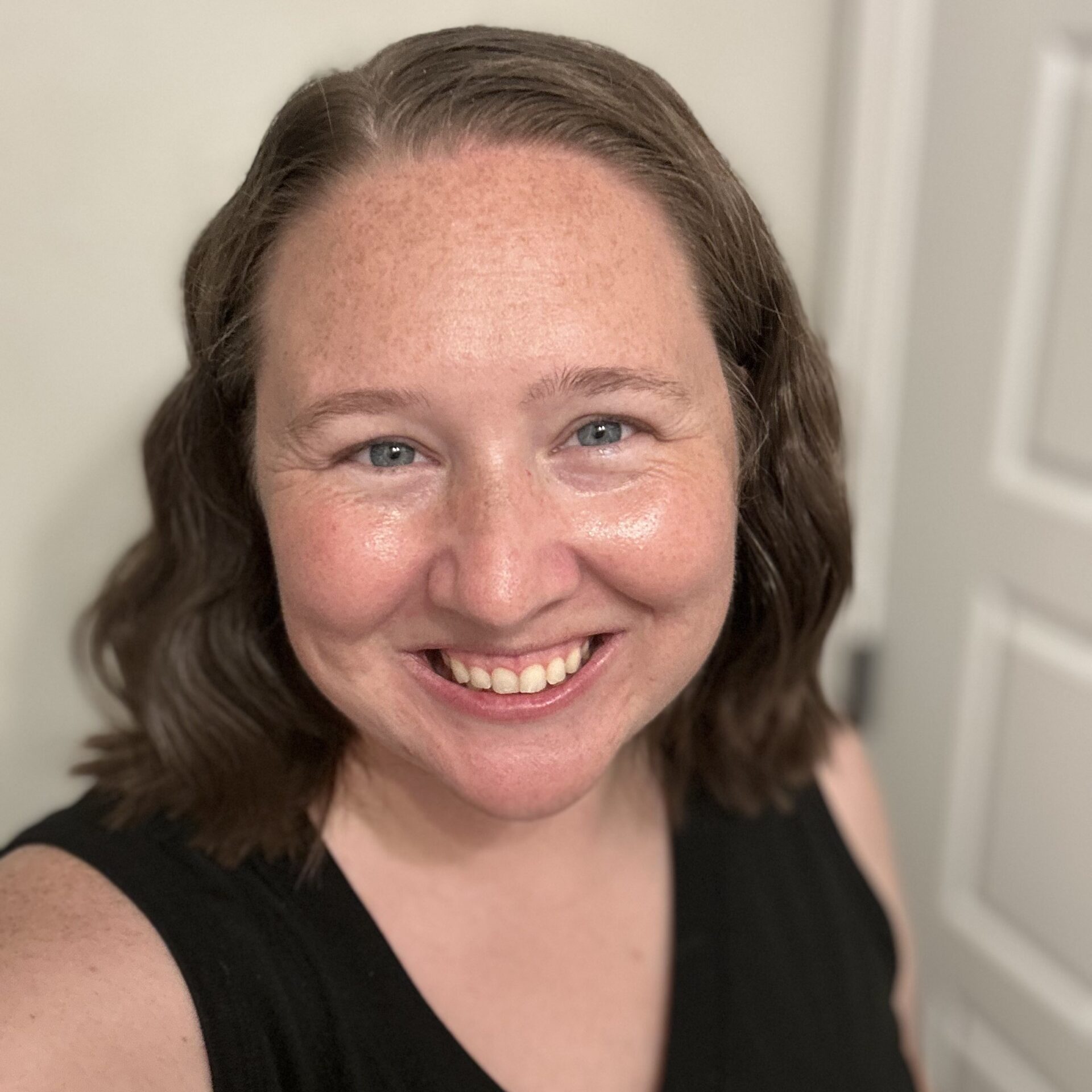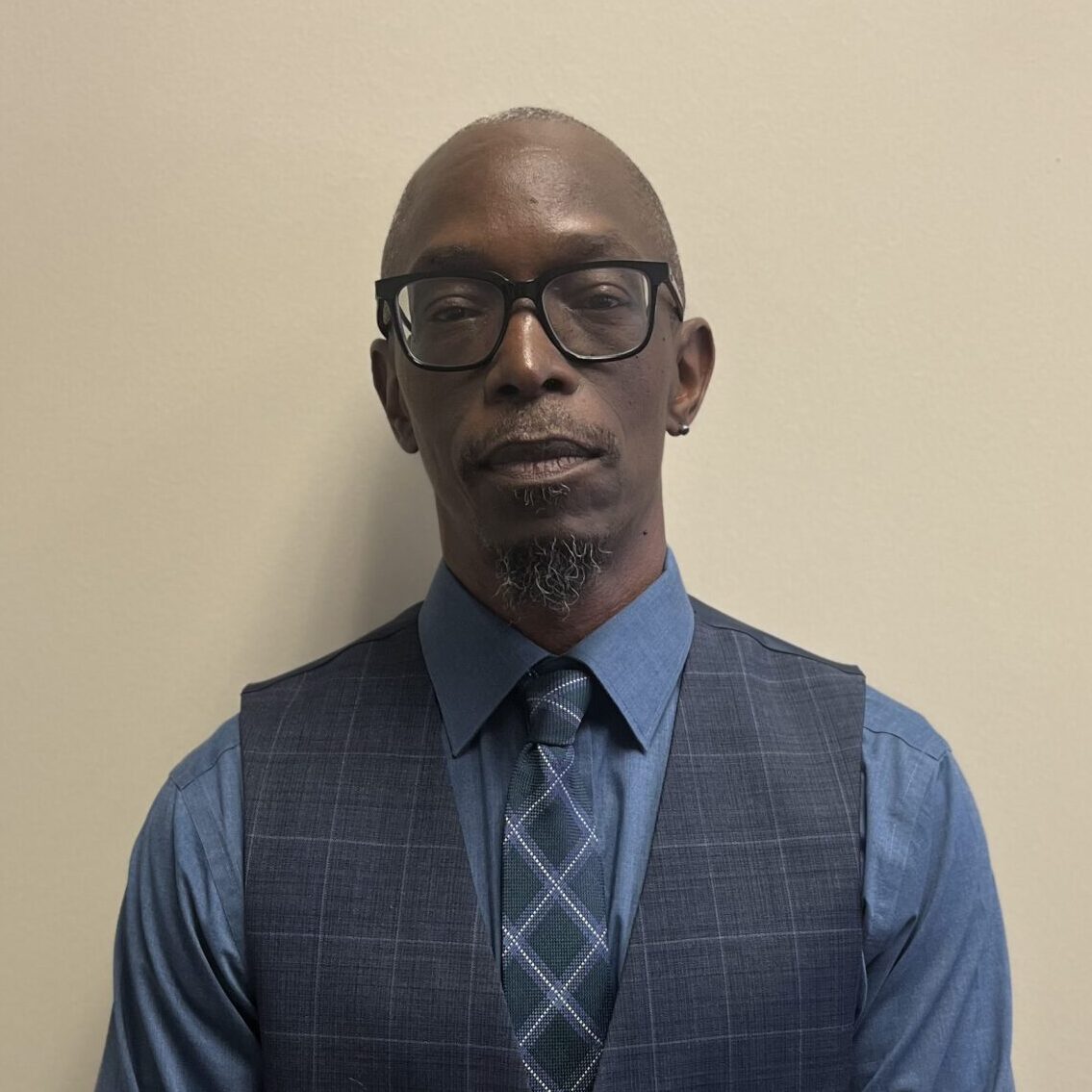


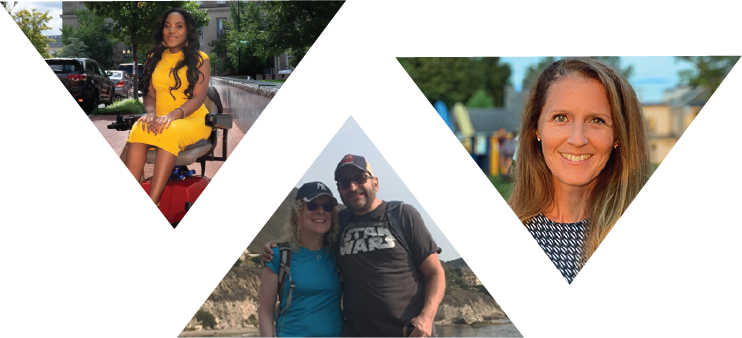


Emmy Duddles, a 30-year-old freelance editor in Ohio, has had a migraine every day since 2016 and spent years facing denied treatments, surprise bills, and unaffordable follow-up visits. Since enrolling in Medicaid, she has been able to see her doctor regularly, uncover new health issues, and get the treatments she needs without worrying about the cost.
Read Emmy’s storyAfter more than 20 years helping Georgians access benefits, social worker Tanisha Corporal spent eight months fighting denials and lost documents just to enroll in Pathways to Coverage, Georgia's Medicaid program. Even now that she's approved, she spends hours each month verifying her volunteer work and lives with the constant fear that her coverage will be cut off again.
Read Tanisha’s storyAfter her younger brother died of a sudden heart attack at 39, Lacey Donle followed her doctors' advice and got a full cardiac workup, only to face insurance denials, hidden charges, and a $3,000 bill on her high-deductible plan. When enhanced tax credits expired and her premiums nearly doubled, the Maine preschool teacher planned to go uninsured in 2026.
Read Lacey’s story
In 2017, Tomeka James Isaac was pregnant with her first and only son, Jace. At 40 years old, she was told early on that she would be at high risk for pre-eclampsia, yet despite this ominous warning, Tomeka’s pregnancy was progressing smoothly. Until, at her 35-week appointment, complications began.
Read Tomeka’s storyKea had a plan. Pregnant with her first child, she knew she wanted a natural birth, and she wanted her birth experience to be an experience that was unique to her. However, she felt dismissed by doctors when she made requests, and ignored at appointments. Kea switched to a birth center, and everything changed for the better.
Read Kea’s storyTamara's 18 month old grandson fell ill with a slight cough and signs mirroring COVID-19, but was not tested by his pediatrician. After his oxygen levels dropped, he was taken to the ER but was still not tested for COVID-19 due to not meeting testing criteria.
Read Tamara’s story
Theresa manages a rare, life-threatening genetic disease that killed her father, but losing her job-based insurance turned her care into a monthly guessing game of statements, reimbursements, and gaps in charitable funding. She's now unsure how to cover her daughter's health needs and fears what happens once assistance funds run dry for good.
Read Theresa’s storyAfter developing severe preeclampsia at 30 weeks, Hannah Novy spent 16 days hospitalized while her daughter spent 41 in the NICU — and because their coverage renewed mid-stay, the family now faces bills from two separate plan years. Despite having insurance, Hannah estimates they could owe at least $30,000, with no clear way to pay it.
Read Hannah’s storyMichael Best spent 35 years helping others through housing insecurity and crisis, but nothing prepared him for the cost of his own stroke recovery. Between speech therapy he can't afford and loans he'll be paying off for years, he says no one should go into lifelong debt for basic care.
Read Michael’s story